Advanced Microscope Technology Offers New Hope for Inflammatory Bowel Disease
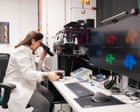
Revolutionary Microscope Technology Brings New Possibilities for IBD Research
Scientists are celebrating a major breakthrough in their efforts to combat inflammatory bowel disease, a condition that affects hundreds of thousands of people globally. A groundbreaking microscopy system, far surpassing conventional technology, is now enabling researchers to examine tissue samples at unprecedented levels of detail. This innovative approach to inflammatory bowel disease investigation could fundamentally change how medical professionals understand and treat these chronic conditions.
The newly developed microscope, known as 'Curie,' represents a quantum leap forward in diagnostic and research capabilities. Operating at 10 times the resolution of standard microscopy equipment, this advanced instrument provides researchers with views of cellular structures previously impossible to analyze. For scientists studying inflammatory bowel disease, this enhanced visualization opens entirely new avenues for understanding disease mechanisms and identifying potential therapeutic targets.
Understanding the Scale of IBD Across the United Kingdom
The prevalence of inflammatory bowel disease continues to present a significant public health challenge in the United Kingdom and beyond. According to data from the British Society of Gastroenterology, more than half a million people throughout the UK currently live with inflammatory bowel disease, making it a widespread condition affecting communities nationwide. The two primary forms of inflammatory bowel disease—Crohn's disease and ulcerative colitis—account for the majority of cases, though both conditions vary considerably in their presentation and severity.
What makes this situation particularly concerning is the rising trend among younger demographics. Global statistics demonstrate that the number of young people living with debilitating and incurable bowel conditions is steadily increasing, indicating a troubling trajectory for future healthcare systems. These conditions significantly impact quality of life, causing chronic pain, digestive complications, and substantial disruption to daily activities. The search for effective treatments and, ultimately, a cure has become increasingly urgent for the medical and research communities.
How Advanced Microscopy Transforms IBD Research
Traditional microscopy techniques have long constrained researchers' ability to observe the intricate cellular and molecular changes that characterize inflammatory bowel disease. The limitations of conventional equipment meant that certain critical aspects of disease pathology remained hidden from scientific observation. The introduction of the Curie microscope fundamentally changes this equation, providing unprecedented access to the microscopic world within affected tissues.
With tenfold enhanced resolution compared to conventional microscopy, researchers can now identify subtle structural abnormalities, cellular interactions, and molecular markers associated with inflammatory bowel disease. This enhanced observational capability enables scientists to trace disease progression at the cellular level, identify specific triggers of inflammation, and examine how the body's immune system interacts with the intestinal lining. These observations are essential building blocks for developing targeted therapeutic interventions.
Potential Impact on Treatment Development
The implications of this advanced microscopy technology for inflammatory bowel disease treatment development are substantial. By gaining a clearer understanding of the root causes and mechanisms underlying both Crohn's disease and ulcerative colitis, researchers can design more effective pharmaceutical interventions. The microscope could facilitate identification of previously unknown drug targets, potentially leading to entirely new classes of treatments.
Medical professionals and patients with inflammatory bowel disease have long awaited breakthroughs in therapeutic options. While current treatments manage symptoms and induce remission in some patients, many individuals continue to suffer despite available medications. The enhanced insights provided by advanced microscopy technology could accelerate the discovery of transformative treatments that address underlying disease mechanisms rather than merely managing symptoms.
The Future of IBD Research and Patient Care
Investment in advanced research tools like the Curie microscope demonstrates the medical community's commitment to solving the inflammatory bowel disease puzzle. As scientists worldwide utilize this technology, collaborative efforts will likely yield cumulative discoveries that propel the field forward. The potential for breakthrough treatments has never been greater, offering hope to the countless individuals living with inflammatory bowel disease and their families.