Afghan Women's Lives Transformed Under Taliban Rule After Five Years
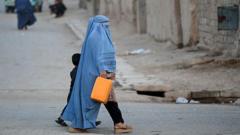
Afghan Women Face Unrecognisable Living Conditions After Five Years Under Taliban Rule
The situation facing Afghan women under Taliban rule has created unprecedented challenges that have fundamentally transformed daily life across the nation. Over the past five years, women throughout Afghanistan have experienced severe restrictions that have altered their personal freedoms, economic opportunities, and access to essential services. The Taliban rule has implemented policies that directly impact millions of women, creating a humanitarian crisis that extends far beyond political governance.
Public Punishment and Legal Persecution
One of the most alarming aspects of the current regime involves public flogging and corporal punishment administered to women who violate Taliban-imposed rules. These public spectacles serve as both punishment and deterrent, forcing communities to witness the consequences of non-compliance. Women report being subjected to harsh physical punishment for infractions ranging from improper dress to unauthorized public appearances. The implementation of these penalties demonstrates the Taliban rule's enforcement mechanism and the vulnerability of women under this governance structure.
The legal system established by the Taliban rule operates without protections traditionally afforded to women in previous Afghan administrations. Courts process cases with little consideration for women's rights or due process, resulting in disproportionate sentencing and collective punishment affecting entire families.
Economic Collapse and Employment Barriers
Employment opportunities for women have virtually disappeared under Taliban rule. Women who previously held professional positions—teachers, doctors, civil servants, and business owners—have been systematically removed from the workforce. These job losses have created economic devastation for families who depended on women's income, pushing many households into poverty.
The exclusion of women from economic participation extends beyond government positions. Private sector employment has also become increasingly restricted, with businesses discouraged or prohibited from hiring female staff. Women entrepreneurs who operated small businesses have been forced to cease operations, losing not only their livelihoods but also their independence and social status within their communities.
Healthcare Access and Life-Threatening Consequences
Healthcare barriers created by Taliban rule have emerged as one of the most dangerous policies affecting women's survival. Female healthcare workers have been removed from hospitals and clinics, leaving many women without access to female medical professionals. In Afghan culture, many women require female doctors for reproductive and gynecological services, making this shortage particularly critical.
Pregnant women face elevated risks due to limited prenatal care and the absence of female obstetricians in many regions. Women experiencing complications during pregnancy or childbirth often cannot access timely medical intervention because of restrictions on female patient-male doctor interactions. This policy has directly contributed to increased maternal mortality rates across the country, creating a public health emergency that threatens millions.
Mental health services have been largely eliminated, leaving women without support for trauma and psychological distress. The combination of physical restrictions, economic hardship, and social isolation has triggered widespread depression and anxiety among the female population, yet treatment remains inaccessible.
Educational Restrictions and Future Generations
Girls' education has been severely curtailed under Taliban rule, with secondary education largely prohibited for females. This denial of educational access undermines women's future prospects and reinforces economic dependence. Young women who had begun university studies were forced to abandon their education, with no pathway to resume their academic advancement under current policies.
Social Isolation and Freedom of Movement
Movement restrictions under Taliban rule have confined women to their homes and limited their ability to conduct basic daily activities. Dress codes have been strictly enforced, with women required to wear full-body coverings that obscure their identity. Women cannot travel without male accompaniment, effectively eliminating their independence and mobility.
These restrictions have created profound psychological effects beyond the practical limitations. Women describe their lives as unrecognisable compared to previous decades, with fundamental freedoms that were previously taken for granted now completely eliminated. The cumulative impact of these policies has devastated Afghan women's quality of life and created humanitarian conditions requiring urgent international attention.


