AI Detects Heart Disease in Women Using Mammograms
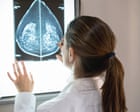
Revolutionary AI Technology Identifies Cardiovascular Risk Through Mammography
A groundbreaking discovery shows that AI detects heart disease in women through routine mammograms, offering a dual-purpose approach to women's health screening. Researchers have successfully developed an artificial intelligence system capable of analyzing breast cancer screening images to simultaneously identify significant cardiovascular conditions, including coronary heart disease, hypertension, and previous stroke events.
The innovative approach addresses a critical gap in healthcare delivery, as cardiovascular disease remains the leading cause of death among women globally, yet remains significantly underdiagnosed in this population. By leveraging existing mammography infrastructure and advanced machine learning algorithms, medical professionals can now extract additional diagnostic value from screening procedures already performed during routine cancer prevention visits.
How the AI Technology Works
The research team employed sophisticated artificial intelligence algorithms to analyze mammographic images with enhanced precision. Rather than simply identifying breast tissue abnormalities, the system processes vascular patterns, coronary calcium deposits, and other cardiovascular indicators visible on the same scans used for cancer detection.
This multi-functional analysis represents a significant advancement in preventive medicine, as it transforms a single imaging session into a comprehensive health assessment tool. The AI technology demonstrated remarkable accuracy in identifying women at elevated cardiovascular risk, suggesting that routine mammograms contain substantial diagnostic information beyond their primary cancer-detection purpose.
Clinical Implications for Women's Health
Medical experts emphasize that integrating cardiovascular screening into existing mammography protocols could substantially improve early detection rates for heart disease in women. Traditional mammogram procedures typically focus exclusively on breast tissue examination, leaving potential cardiac indicators undetected.
The ability of AI to identify coronary heart disease markers through mammographic analysis offers several advantages. First, it eliminates the need for additional specialized cardiovascular imaging in many cases. Second, it leverages mammography's existing widespread availability and established clinical workflows. Third, it addresses documented healthcare disparities in cardiovascular disease recognition among female patients.
Addressing Underdiagnosis of Heart Disease
Cardiovascular disease frequently goes unrecognized in women compared to men, partly because symptoms present differently and screening protocols may not adequately address female-specific risk factors. This underdiagnosis leads to delayed treatment and worse health outcomes.
By incorporating AI-driven heart disease detection into routine breast cancer screenings, healthcare systems can identify at-risk women before acute cardiovascular events occur. This preventive approach aligns with modern medicine's emphasis on early intervention and personalized risk assessment.
Study Methodology and Results
Researchers analyzed thousands of mammographic images using machine learning models trained to recognize patterns associated with cardiovascular disease. The artificial intelligence system successfully identified women with established coronary heart disease, documented hypertension, and previous stroke events with clinically significant accuracy rates.
The study's rigorous methodology involved validation across diverse patient populations, ensuring that AI detects heart disease in women reliably across different demographic groups and clinical presentations. Results demonstrated that mammographic findings correlated strongly with known cardiovascular risk profiles.
Future Integration into Clinical Practice
Healthcare institutions are now exploring practical pathways to implement this AI technology into existing mammography infrastructure. Integration would require minimal workflow modifications while significantly expanding the diagnostic utility of routine breast cancer screenings.
Radiologists and cardiologists are collaborating to establish protocols ensuring that AI-identified cardiovascular risks receive appropriate clinical follow-up and intervention. This interdisciplinary approach represents the future of comprehensive, efficient healthcare delivery.
Broader Implications for Women's Health Screening
The successful demonstration that AI detects heart disease in women through mammograms suggests additional opportunities for multi-purpose screening technologies. Other imaging modalities used in routine health maintenance may contain similar unexploited diagnostic information.
This discovery reinforces the importance of leveraging advanced technologies to maximize healthcare efficiency while improving patient outcomes. By identifying multiple disease states from single imaging encounters, healthcare systems can reduce unnecessary procedures, lower costs, and ensure earlier interventions for serious conditions.
The convergence of artificial intelligence, medical imaging, and preventive healthcare demonstrates how technology continues transforming clinical practice to better serve women's comprehensive health needs.