Amazon bets on Whole Foods to salvage its troubled UK grocery ambitions
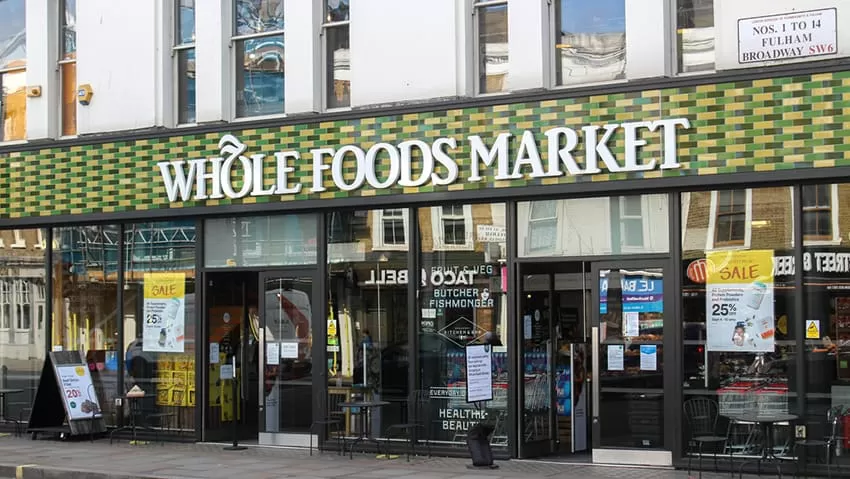
Amazon, the world's largest online retailer, has been making headlines recently with its decision to repurpose its shuttered Fresh convenience stores as Whole Foods outlets in London. This move comes as a surprise to many, as Amazon's foray into the UK grocery market has been met with significant challenges and setbacks. With cumulative losses exceeding £200 million, there are questions surrounding the viability of this strategy. However, despite these challenges, Amazon remains determined to make its mark in the UK grocery sector, and it seems that Whole Foods may be the key to salvaging its troubled ambitions.
The decision to repurpose the Fresh convenience stores as Whole Foods outlets is a strategic move by Amazon to tap into the growing demand for high-quality, organic and sustainable food products in the UK. Whole Foods, known for its wide range of organic and natural products, has a strong brand reputation and a loyal customer base. By leveraging the popularity and trust of the Whole Foods brand, Amazon hopes to attract a new segment of customers and gain a foothold in the competitive UK grocery market.
This move also aligns with Amazon's overall strategy of diversifying its business and expanding into new markets. The company has already made significant investments in the UK, with the acquisition of Whole Foods in 2017 and the launch of its Amazon Fresh grocery delivery service. However, these ventures have not been as successful as anticipated, with Amazon facing fierce competition from established players such as Tesco, Sainsbury's, and Waitrose.
The decision to repurpose the Fresh convenience stores as Whole Foods outlets is a smart move by Amazon, as it allows the company to utilize the existing infrastructure and resources of the shuttered stores. This will save Amazon both time and money, as it can avoid the costs of building new stores from scratch. The company will also benefit from the prime locations of these stores, which are situated in affluent areas of London with a high concentration of health-conscious and affluent customers.
Furthermore, Amazon has also announced plans to integrate its popular Prime membership program into the Whole Foods stores. This will provide customers with additional benefits such as free delivery and discounts, further incentivizing them to shop at Whole Foods. This move not only strengthens Amazon's customer loyalty but also creates a unique selling point for Whole Foods, differentiating it from other grocery retailers in the market.
Despite the challenges and losses faced by Amazon in the UK grocery market, the company remains optimistic about its prospects. In a statement, Amazon's UK boss Doug Gurr said, "We see a tremendous opportunity to bring together our Fresh and Whole Foods offerings to give customers in London an unbeatable combination of selection, quality, and convenience." This statement reflects Amazon's determination to make its mark in the UK grocery market and its belief in the potential of its new strategy.
Moreover, the current COVID-19 pandemic has highlighted the importance of online shopping and home delivery services, which plays to Amazon's strengths. With more people turning to online shopping for their groceries, Amazon is well-positioned to capitalize on this trend and drive sales for its Whole Foods stores.
In conclusion, Amazon's decision to repurpose its shuttered Fresh convenience stores as Whole Foods outlets in London is a strategic move that has the potential to salvage its troubled UK grocery ambitions. By leveraging the popularity and trust of the Whole Foods brand and integrating its Prime membership program, Amazon is well-positioned to attract a new segment of customers and differentiate itself from competitors. With its determination and strong business strategy, it is only a matter of time before Amazon makes its mark in the UK grocery market.