Baby Thriving After Life-Saving Heart Surgery Despite Years-Long Donor Wait
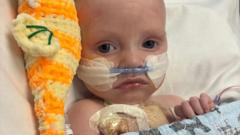
Infant Defies Medical Expectations Following Emergency Cardiac Intervention
A newborn patient has made an extraordinary recovery following a life-saving heart operation that came after physicians initially suggested survival prospects measured in mere days. Parents Catrin and Dylan received the devastating prognosis that their child's condition appeared terminal, yet the subsequent surgical intervention has transformed the clinical trajectory entirely. The life-saving heart operation has allowed the infant to progress toward normalcy despite the complex medical challenges that originally presented.
Medical Team Delivers Hopeful Assessment
Cardiologists overseeing the case have provided encouraging updates regarding the youngster's postoperative progress. The life-saving heart operation successfully addressed the congenital defect that threatened the baby's survival, and medical staff report that the child is currently thriving under intensive care protocols. The surgical intervention represented the family's best option for extending and improving their child's quality of life.
Complex Recovery Path Ahead
Despite the successful surgery, the medical team has informed Catrin and Dylan that the complete treatment pathway remains lengthy and uncertain. Physicians have explained that locating an appropriate donor organ could require years of patient waiting, as pediatric cardiac transplantation demands precise immunological matching to minimize rejection risks. The life-saving heart operation that was performed represents a bridge procedure rather than a definitive long-term solution.
Understanding Congenital Heart Conditions in Newborns
Congenital heart defects affect thousands of infants born annually across developed healthcare systems. These structural abnormalities can range from minor issues with minimal functional impact to severe conditions requiring immediate surgical correction. In cases as critical as this family's situation, emergency operations become necessary to sustain vital organ function and preserve neurological integrity during the critical early weeks of life.
Surgical Innovation and Pediatric Cardiology
Modern pediatric cardiac surgery has developed sophisticated techniques enabling surgeons to intervene successfully even in extremely fragile newborn patients. The life-saving heart operation performed on this infant demonstrates how specialized medical expertise combined with advanced surgical technology can offer hope where prognosis once seemed hopeless. The surgical team's ability to stabilize the child's condition allowed the family to transition from crisis management to long-term treatment planning.
The Donor Transplant Timeline
Obtaining suitable donor organs for pediatric patients presents unique challenges within transplantation medicine. The scarcity of pediatric donors, combined with the need for careful size and immunological matching, means that families often face extended waiting periods measured in months or years. Medical professionals have been transparent with Catrin and Dylan about these realities, preparing them for what could become an extended chapter in their child's medical journey.
Family Support During Extended Treatment
The psychological and emotional demands on families navigating pediatric cardiac conditions cannot be overstated. Beyond the immediate medical crisis resolved by the life-saving heart operation, parents must process the reality of ongoing medical uncertainty and periodic hospitalizations. Healthcare teams increasingly recognize that comprehensive family support including psychological counseling and peer support networks becomes essential during these challenging circumstances.
Progress and Resilience Against the Odds
The current status of the infant—described as thriving by medical staff—represents a remarkable achievement given the initial prognosis. This reversal of fortune demonstrates both the capabilities of modern medicine and the remarkable resilience of newborn patients. The life-saving heart operation has provided this family with something precious: time to bond with their child while pursuing longer-term definitive solutions.
As Catrin and Dylan navigate the coming months and years, their child will require continuous medical oversight and periodic assessments to ensure the surgical repair continues functioning optimally. The journey from those frightening initial days when survival seemed unlikely to the current state of improvement illustrates how emergency intervention, combined with skilled medical care, can fundamentally alter outcomes in pediatric cardiac emergencies.


