Bayesian Yacht Crew Lacked Critical Safety Warnings Before Disaster
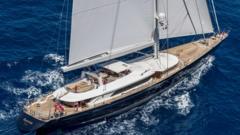
Crew Members Unaware of Critical Safety Risks
Investigators have determined that the crew aboard the Bayesian yacht were not adequately informed about the significant risks present before the vessel capsized off the coast of northern Sicily. The incident, which resulted in the deaths of seven individuals including prominent British technology entrepreneur Mike Lynch, has raised serious questions about maritime safety protocols and emergency preparedness on luxury vessels.
The Bayesian Yacht Tragedy Details
The Bayesian, a superyacht valued at approximately $30 million, sank during severe weather conditions in the Tyrrhenian Sea near Porticello, Sicily. The vessel went down in what authorities describe as a sudden and catastrophic event that caught passengers and crew off guard. Among the seven fatalities was Mike Lynch, a renowned figure in the British technology sector who founded Autonomy Corporation, a software company sold to Hewlett-Packard for $11.7 billion in 2011.
Investigation Findings on Safety Protocols
The ongoing investigation by Italian maritime authorities and international safety experts has uncovered troubling gaps in how risks were communicated to those aboard the Bayesian. Crew members reportedly had insufficient knowledge of the meteorological conditions forecasted for the voyage and the specific hazards that extreme weather could pose to the vessel's structural integrity.
Investigators stated that the Bayesian yacht crew were not provided with adequate briefings regarding emergency procedures, life-saving equipment deployment, and evacuation routes. This lack of preparedness proved catastrophic when the emergency developed, as crew members struggled to respond effectively to the rapidly deteriorating situation.
Victims and Their Backgrounds
Beyond Mike Lynch, the fatalities included several other notable individuals. The incident devastated multiple families and shocked the international business and maritime communities. Authorities worked for days to locate and recover all victims from the wreckage scattered across the Mediterranean seafloor.
Maritime Safety Standards Under Review
This disaster has prompted a comprehensive review of maritime safety standards for luxury yachts operating in European waters. Experts now question whether current regulations adequately address the risks associated with sudden weather events and whether crew training requirements are sufficiently rigorous for vessels of this size and complexity.
The International Maritime Organization and European maritime authorities are examining whether the Bayesian yacht crew safety protocols were compliant with existing International Convention for the Safety of Life at Sea (SOLAS) requirements. The investigation has revealed potential deficiencies in storm management procedures, communication systems, and emergency response coordination.
Systemic Failures Identified
Beyond the immediate crew training issues, investigators have identified systemic failures in how risk assessments were conducted prior to departure. The Bayesian yacht's owners and operators did not implement sufficiently robust weather monitoring systems that would have alerted crew to the specific danger posed by the Mediterranean weather system that ultimately caused the sinking.
Maintenance records indicate that the vessel had undergone regular inspections, yet no comprehensive risk analysis appears to have been conducted regarding the vessel's vulnerability to rapid capsizing under extreme conditions. Industry experts argue that luxury yachts of this caliber should undergo more intensive structural and operational assessments before undertaking voyages during seasons with known weather risks.
Regulatory Implications Moving Forward
The Bayesian incident will likely result in stricter regulatory requirements for superyacht operations throughout the Mediterranean. Maritime authorities are considering mandatory additional training requirements, enhanced weather prediction integration, and more comprehensive crew briefings on vessel-specific emergency procedures. The focus is ensuring that future incidents of this nature are prevented through better preparedness and risk awareness.
Vessel operators are now being advised to implement more comprehensive crew safety training programs, particularly for luxury yachts operating in seasonally volatile waters. The Bayesian tragedy serves as a sobering reminder that despite modern technology and vessel capabilities, human factors and adequate preparation remain critical to maritime safety.


