Black Academic Arday's Death Sends Shockwaves Through Divided UK Universities
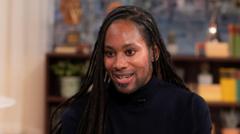
Arday's Death Sends Shockwaves Through Divided UK Higher Education
The passing of a prominent Black academic has sparked significant reflection within UK universities about racial representation and the persistent challenges facing scholars from underrepresented backgrounds. The incident underscores a critical reality: Black academics constitute barely 1% of the professor population across UK higher education institutions, making this loss particularly resonant within the scholarly community.
The Stark Reality of Minority Representation in Academia
The statistics paint a sobering picture of diversification efforts in UK universities. With Black academics representing such a negligible fraction of the professoriate, those who do achieve senior positions occupy an exceptionally visible and, often, isolating role within their institutions. This extreme underrepresentation creates distinct pressures and challenges that extend far beyond typical academic pursuits.
The absence of adequate representation among Black academics at professorial levels reflects deeper systemic issues within higher education. These barriers have accumulated over decades, creating structural impediments that limit access and advancement for scholars from historically marginalized communities. The visibility that comes with being one of the few Black professors in an institution brings both recognition and extraordinary scrutiny.
Systemic Barriers Facing Black Scholars
Advancement through academia requires navigating complex institutional cultures, establishing research credentials, and securing funding opportunities. For Black academics, these pathways are frequently complicated by unconscious bias, limited mentorship networks, and institutional skepticism. The pressure intensifies when one recognizes that their presence—however hard-earned—represents progress within an overwhelmingly white professional ecosystem.
The experience of Black academics in UK universities extends beyond statistical underrepresentation. Many report feeling a profound sense of isolation, with limited peer networks and reduced opportunities for meaningful professional development. The responsibility to represent an entire demographic group while pursuing rigorous scholarship creates psychological and professional burdens that white colleagues rarely experience.
Impact on the Academic Community and Beyond
When accomplished Black academics exit the system—whether through retirement, relocation, or tragically through loss—the ripple effects extend throughout higher education. Institutions lose not only experienced scholars but also role models whose presence encouraged other underrepresented groups to pursue academic careers. The departure creates a vacuum that affects recruitment, mentorship possibilities, and the cultural fabric of universities.
The loss serves as a catalyst for uncomfortable but necessary conversations about institutional commitment to genuine diversity. Many universities have implemented diversity initiatives, yet the proportion of Black academics in senior positions remains stubbornly low. This disconnect between stated commitments and measurable outcomes suggests that superficial approaches have failed to address root causes of exclusion.
A Call for Structural Change in Higher Education
Meaningful progress requires more than diversity statements and recruitment campaigns. Universities must examine hiring practices, promotion pathways, and workplace cultures that either facilitate or obstruct career advancement for Black scholars. Establishing robust mentorship programs, ensuring equitable access to research funding, and actively confronting discriminatory practices represent essential steps.
The academic community must acknowledge that the absence of Black academics from senior positions represents both a professional loss and a social failure. Scholarship suffers when diverse perspectives remain excluded. Students lose exposure to varied worldviews and role models who reflect their own identities. Society fails to benefit from the full talents of its population when systemic racism limits who can contribute to knowledge production.
Moving Forward: Institutional Responsibility
The moment demands that universities move beyond commemorative statements. Genuine transformation requires examining why, despite decades of diversity rhetoric, Black academics remain severely underrepresented at all career levels. This requires investing in early-career support, dismantling biased evaluation criteria, and creating inclusive institutional cultures where scholars from all backgrounds can thrive.
The legacy of prominent Black academics who navigated these hostile environments should inspire institutional action rather than mere reflection. Their accomplishments occurred despite systemic obstacles, not because obstacles did not exist. Future generations of Black academics deserve better—institutional environments that support rather than hinder their contributions to knowledge and scholarship.


