Bosnian Serb War Criminal Ratko Mladić Dies at 84
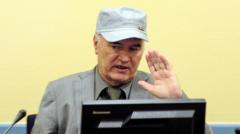
Bosnian Serb War Criminal Ratko Mladić Dies at 84
Ratko Mladić, the prominent Bosnian Serb war criminal whose conviction made him one of the most significant figures prosecuted for atrocities during the Yugoslav conflicts, has passed away at the age of 84. His death marks the end of a contentious chapter in contemporary history, concluding the life of a military commander whose actions left lasting scars on the Balkans region.
Life Sentence for Crimes Against Humanity
In 2017, Mladić received a life sentence from the International Criminal Tribunal for the former Yugoslavia (ICTY) following his conviction on multiple grave charges. The tribunal found him guilty of genocide, crimes against humanity, and violations of the laws of war. These convictions stemmed from his orchestration of military operations during the devastating wars that engulfed the territory of ex-Yugoslavia between 1992 and 1995.
Military Leadership During the Yugoslav Wars
Mladić served as the commanding general of the Bosnian Serb Army during the conflict that erupted following the dissolution of Yugoslavia. His military decisions and orders resulted in widespread civilian casualties and displaced populations across Bosnia and Herzegovina. The tribunal documented numerous incidents under his command that violated international humanitarian law and resulted in systematic targeting of non-Serb populations.
The Srebrenica Massacre Connection
One of the most significant aspects of the case against Ratko Mladić war criminal involved the Srebrenica massacre of 1995, where over 8,000 Bosniak Muslim men and boys were systematically executed. The tribunal determined that Mladić bore responsibility for this atrocity, which became a defining moment in the Yugoslav wars and a symbol of the conflict's brutality. This massacre represented one of the worst mass killings in Europe since World War II.
International Prosecution and Legal Proceedings
The prosecution of Mladić represented a major achievement for international criminal justice mechanisms established in the post-Cold War era. His arrest in 2011, following sixteen years in hiding, demonstrated the persistent commitment of the international community to bring perpetrators of mass atrocities to account. The subsequent trial at the ICTY lasted several years and involved extensive testimony from witnesses, survivors, and experts who documented the crimes committed during the Yugoslav wars.
The Legal Basis for Conviction
The International Criminal Tribunal for the former Yugoslavia applied established principles of international humanitarian law to prosecute Mladić. The court found sufficient evidence that his orders and direct responsibility for military operations constituted genocide—the systematic attempt to destroy the Bosniak Muslim population in eastern Bosnia. Beyond genocide charges, the tribunal also convicted him of crimes against humanity, which encompassed murder, persecution, and forced displacement affecting hundreds of thousands of civilians.
Impact on Regional Reconciliation
The conviction and imprisonment of Ratko Mladić war criminal marked a significant moment for justice in the Balkans, though it remained a divisive issue in the region. In Serbia, opinions regarding his prosecution and conviction remained deeply polarized. While many, particularly in the international community and among victims' groups, viewed his conviction as necessary accountability, others in Serbia regarded him as a nationalist figure defending Serbian interests during a volatile period.
Ongoing Legacy of the Yugoslav Conflicts
The death of Mladić occurs decades after the cessation of active fighting, yet the Yugoslav wars continue to shape political and social dynamics across the former republics. Trials and convictions of high-level commanders like Mladić have provided some measure of justice for victims and their families. However, reconciliation efforts in the region remain incomplete, with contested historical narratives and unresolved grievances persisting among different communities.
Conclusion
The passing of Ratko Mladić war criminal at 84 years old brings closure to one of the most significant prosecutions in international criminal law. While his death does not undo the suffering he caused, his conviction and the documentation of crimes during his tenure represent important steps toward accountability. The legacy of the Yugoslav wars and the international community's response through mechanisms like the ICTY continue to influence how the world addresses mass atrocities and crimes against humanity in contemporary conflicts.


