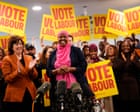
Burnham Faces Electoral Reform Push From Nearly 100 Labour MPs

Electoral Reform Demand Looms for New Prime Minister
Andy Burnham is set to encounter a significant test regarding electoral reform during his inaugural week as Prime Minister, with approximately 100 Labour members of parliament backing a comprehensive initiative to establish a national commission focused on transforming Westminster's voting mechanisms. The electoral reform push represents one of the most pressing demands the new administration will face as it settles into office.
The group of Labour MPs has united around a proposal calling for the creation of a dedicated commission tasked with evaluating alternatives to the first-past-the-post system. This electoral reform initiative is expected to be formally presented to Burnham within his first 100 days in power, presenting an early challenge to his government's legislative priorities.
Burnham's Long-Standing Position on Voting System Reform
Burnham has consistently positioned himself as a proponent of electoral reform throughout his political career. His historical advocacy for voting system changes provides significant context for the timing of this parliamentary pressure. As someone who has publicly supported the need for electoral reform, the incoming Prime Minister may face questions about whether his stated principles will translate into concrete governmental action.
The proposal for a commission represents a measured approach to electoral reform, rather than an immediate overhaul of the voting system. This structure would allow for extensive consultation, expert analysis, and stakeholder engagement before any substantial changes to how Westminster elections operate. The commission framework reflects a pragmatic understanding of the complexity involved in fundamentally altering electoral procedures.
The Growing Momentum Behind the Commission Proposal
The support from nearly 100 Labour MPs demonstrates considerable backing within the parliamentary party for serious consideration of electoral reform. This level of internal party support signals that voting system reform has become a substantive policy concern rather than a fringe issue within the Labour movement. The breadth of this coalition within the party suggests multiple ideological perspectives united around the core principle of electoral reform necessity.
The timing of this initiative, coinciding with the early stages of a new administration, reflects strategic political calculation. Many MPs believe that the opening period of a government's tenure represents the optimal window for pursuing transformative policy changes before other competing priorities consume political capital and parliamentary time.
Electoral Reform and First-Past-The-Post System
The electoral reform campaign specifically targets the first-past-the-post system, which has governed Westminster elections since the development of modern parliamentary democracy. Critics of this voting mechanism argue that it produces outcomes inconsistent with the overall distribution of public opinion across the country. The electoral reform proponents contend that alternative systems, such as proportional representation or other hybrid models, could better reflect voter preferences and enhance democratic legitimacy.
A dedicated commission on electoral reform could examine various international examples, assess potential implementation challenges, and evaluate fiscal implications of transitioning to alternative voting systems. This investigative process would provide empirical foundation for any future policy decisions regarding the reform of Westminster's electoral procedures.
Parliamentary Challenge and Government Response
The formal presentation of this electoral reform commission proposal will constitute a significant moment of decision for Burnham's nascent government. The response from the Prime Minister will signal whether commitments to electoral reform made during opposition will become governing priorities. The government's handling of this issue may influence the morale and cohesion of the Labour parliamentary party during the critical early phase of governance.
The electoral reform initiative reflects broader contemporary discussions about democratic participation, representation quality, and the alignment of electoral outcomes with voter intentions. These themes have gained prominence across multiple democratic societies grappling with questions of legitimacy and engagement.
How Burnham and his administration address the electoral reform commission proposal will provide early indications of the government's approach to ambitious constitutional matters and its willingness to engage with demands from its own parliamentary membership.