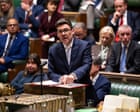
Burnham's Blueprint Reverses Decades of Privatisation

Ambitious Plan to Reverse Decades of Privatisation
A major policy initiative aimed to reverse decades of privatisation has been unveiled as Andy Burnham takes on his new parliamentary role. The comprehensive blueprint, known as The Productive State, represents a transformative approach to reclaiming public control over essential services that have been privatised over the past four decades.
The document outlines a strategic framework for gradually reversing the privatisation wave that began in the 1980s. Rather than pursuing aggressive nationalisation, the proposal suggests a measured approach focused on taking control of failing utilities when they enter administration. This method would allow the state to rebuild public ownership without immediate massive expenditure.
Innovative Financing Through Bonds for Shares
One of the most notable features of this initiative to reverse decades of privatisation involves a creative financing mechanism called "bonds for shares." This innovative approach would enable the government to acquire failing private enterprises by issuing government bonds in exchange for company shares. Such a mechanism provides a financially sustainable pathway for public sector takeover without requiring immediate cash outlays from government coffers.
The scheme represents a practical solution to a longstanding challenge: how to reverse decades of privatisation without creating unsustainable fiscal burdens. By structuring acquisitions through bonds for shares, the government could gradually rebuild its portfolio of essential infrastructure and utilities over time.
State Competition in Essential Services
Beyond simple takeover mechanisms, the blueprint proposes establishing state-owned competitors in key sectors. Rather than waiting for private companies to fail, this approach would involve creating public alternatives that operate alongside existing private providers. Competition from state-run enterprises could drive down costs and improve service quality, particularly for vulnerable populations.
This competitive model represents a nuanced approach to reverse decades of privatisation. Instead of eliminating private provision entirely, it introduces public alternatives designed to serve users better and ensure that essential services remain affordable and accessible.
The Manchesterism Framework
The policy paper articulates a broader vision termed "Manchesterism," which emphasises local economic control and public benefit. This framework seeks to reverse decades of privatisation by restoring democratic control over essential services. The concept draws inspiration from historical models of public ownership while adapting them to contemporary economic conditions.
Manchesterism envisions communities and regional authorities having greater say in the management of utilities and services that directly affect their lives. By decentralising control away from private shareholders towards public stakeholders, this approach aims to align service provision with community needs rather than profit maximisation.
Making Life Affordable Through Public Control
Central to the initiative is the goal of making basic services more affordable. The policy recognises that decades of privatisation have often resulted in price increases that exceed wage growth, placing essential services beyond the reach of many households. By reversing privatisation through strategic public takeover, the government aims to control costs and ensure universal access to utilities.
Water, energy, and transport services would be particular focuses of this effort. By bringing these essentials back under public control, the blueprint suggests that pricing could be regulated to reflect actual costs plus reasonable returns, rather than being driven by shareholder dividend demands.
Political Context and Timing
The release of The Productive State comes as Burnham assumes his position as MP for Makerfield, transitioning from his role as Mayor of Greater Manchester. This timing signals a potential shift in national political direction, with observers noting expectations that Burnham may seek higher political office in the coming months.
The blueprint's introduction into national discourse represents a significant moment for those advocating structural economic change. By placing public ownership squarely on the political agenda, the policy initiative opens debate about the efficacy of privatisation models and the potential benefits of strategic public ownership.
Conclusion
The Productive State marks a comprehensive attempt to reverse decades of privatisation through practical, financially sustainable mechanisms. By combining strategic takeovers of failing utilities, innovative financing through bonds for shares, and state competition, the blueprint offers a roadmap for expanding public ownership. As these proposals enter mainstream political discussion, they may reshape how policymakers approach essential services and public infrastructure in coming years.