Canada Must Take Action Against US Trade Pressure, Manitoba Premier Warns
Canada Faces Critical US Trade Deadline Challenge
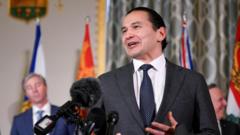
The US trade deadline Canada faces represents a pivotal moment for the nation's economic future. Manitoba Premier Wab Kinew has publicly urged the country to stand firm against mounting trade pressures from the United States, signaling that significant negotiations lie ahead for Prime Minister Mark Carney's administration.
Kinew's latest statement emphasizes the need for Canada to adopt a more assertive stance during these critical trade discussions. The premier's remarks underscore the complexity of balancing provincial interests with federal trade negotiations, particularly as the deadline approaches and pressure mounts from south of the border.
Premier Kinew's Call for Stronger Position
In recent comments, the Manitoba leader has been explicit about his expectations. Premier Wab Kinew believes that Canada should not simply accept unfavorable terms or conditions dictated by American negotiators. Instead, he advocates for a robust defense of Canadian interests, particularly those affecting provinces like Manitoba that depend heavily on cross-border trade.
His position reflects broader concerns among provincial leaders about how federal trade negotiations might impact regional economies and employment. Kinew's call for action suggests that provincial premiers are prepared to demand a seat at the negotiating table and influence over decisions that could shape their constituents' futures.
Mark Carney's Challenge in Securing Public Support
For Prime Minister Mark Carney, the political landscape surrounding any potential trade deal presents formidable obstacles. The US trade deadline Canada must meet creates time pressure that could limit negotiating flexibility. Carney must not only navigate complex discussions with American counterparts but also convince Canadian citizens that whatever agreement emerges serves the nation's best interests.
Securing buy-in from Canadians on a US trade deal requires transparent communication about both the benefits and concessions involved. Statements like those from Premier Kinew indicate that stakeholders expect the federal government to fight for favorable terms rather than rush into an agreement simply to meet external deadlines.
Provincial Perspectives on Trade Strategy
Provinces across Canada maintain distinct economic interests and trade priorities. Manitoba, with its agricultural sector and manufacturing base, has particular concerns about tariffs and market access. Other provinces similarly worry about sectoral impacts—energy in Alberta, technology in Ontario, and natural resources in British Columbia.
Premier Kinew's public stance likely reflects conversations already underway among provincial leaders about the overall trade strategy. A coordinated approach from provincial premiers could strengthen Canada's negotiating position, though it also complicates the federal government's task in presenting a unified Canadian position to American negotiators.
The Deadline's Impact on Negotiations
Time constraints imposed by any US trade deadline Canada faces fundamentally alter negotiating dynamics. Deadlines can pressure negotiators to accept less favorable terms simply to reach agreement before the clock runs out. Conversely, they can also focus negotiations on core issues by eliminating extended deliberation on peripheral matters.
The specific terms and timeline of the deadline will significantly influence how the negotiations unfold. Carney's team must balance the urgency created by external timelines with the need for careful deliberation about long-term consequences for Canadian workers, businesses, and consumers.
Public Sentiment and Trade Policy
Canadians hold diverse views on trade policy, with some prioritizing access to American markets and others emphasizing protection of domestic industries. Some sectors benefit directly from free trade while others face increased competition. Building consensus around any agreement requires acknowledging these competing interests and demonstrating that negotiators have fought to minimize damage while maximizing opportunities.
Premier Kinew's combative framing of Canada's approach may resonate with constituents who fear their livelihoods could be harmed by unfavorable trade terms. It signals that provincial leaders will hold the federal government accountable for the outcomes of these negotiations.
Looking Forward: Negotiation Strategy and Resolution
As the US trade deadline Canada must meet draws closer, expect intensified rhetoric from political leaders across the country. The coming weeks will test not only the negotiating skills of Carney's trade team but also the political cohesion within Canada regarding what constitutes an acceptable trade agreement with the United States.
The eventual outcome will likely reflect a careful balance between maintaining positive relations with Canada's largest trading partner and protecting Canadian interests. However, statements from premiers like Wab Kinew make clear that any agreement will face scrutiny and must demonstrate that Canadian negotiators fought vigorously for favorable terms.


