Canada Wildfire Forces 12,000 Evacuations in Okanagan Region
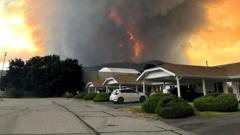
Massive Evacuation Unfolds Across Canada Wildfire Zone
A devastating Canada wildfire has displaced more than 12,000 residents in the renowned Okanagan region, marking one of the most significant evacuation events in the area's recent history. The uncontrolled blaze continues to spread across the picturesque landscape, leaving families uncertain about the fate of their properties and belongings as emergency services work around the clock to contain the flames.
Scale of Displacement and Property Loss
The scope of this Canada wildfire emergency has grown substantially since initial reports emerged. Authorities have confirmed that several residential structures have already been consumed by the advancing flames, with additional properties remaining under imminent threat. The evacuation process has been systematic, with officials prioritizing the most vulnerable areas where the fire's progression poses the greatest risk to human life.
Residents throughout the affected zones received evacuation orders that were both urgent and necessary, as meteorological conditions continued to favor rapid fire spread. The Okanagan region, typically celebrated for its natural beauty and thriving communities, has been transformed into an active disaster zone requiring immediate humanitarian response.
Community Concerns and Uncertainty
Evacuees gathered at reception centers and temporary shelters express profound anxiety regarding their properties. Many have described experiencing multiple close encounters with advancing flames before finally departing their neighborhoods. The uncertainty of not knowing whether their homes remain standing has created significant emotional and psychological strain for families now separated from their residences.
Local officials have established communication channels to provide periodic updates to displaced residents, though verification of individual property status remains challenging given the active nature of the Canada wildfire situation. Some evacuees report losing contact with neighbors and extended family members during the hasty departures.
Emergency Response and Firefighting Efforts
Firefighting personnel from multiple jurisdictions have been mobilized to combat the advancing flames across the Okanagan region. Aerial support, including helicopters equipped with water-dropping capabilities, has been deployed to target critical fire fronts. Ground crews work in hazardous conditions to establish firebreaks and protect structures in populated areas.
The coordination between provincial emergency management agencies, local fire departments, and regional authorities represents a comprehensive response to this catastrophic Canada wildfire event. Resource allocation has focused on containing the fire's lateral expansion while simultaneously protecting the greatest concentration of homes and infrastructure.
Infrastructure and Support Systems
Emergency shelters have been established in nearby communities to accommodate the thousands of evacuated residents. Local government agencies, in collaboration with nonprofit organizations and volunteer groups, coordinate the provision of essential services including food, medical assistance, and temporary housing solutions.
Communication infrastructure has been prioritized to ensure evacuees receive timely information about evacuation status updates, road accessibility, and potential return timelines. Schools in surrounding areas have offered facilities for temporary sheltering and coordination activities.
Looking Ahead: Recovery and Return
As the Canada wildfire continues to demand active suppression efforts, communities anticipate the eventual opportunity to assess damage and begin recovery processes. Return-to-home procedures will likely be phased based on fire containment progress and ongoing threat assessments. Authorities have established preliminary protocols for property damage verification and insurance claim support.
The Okanagan region faces a challenging period ahead, with full recovery requiring sustained effort across multiple sectors including housing reconstruction, environmental remediation, and community rebuilding initiatives.


