Collapse of Tokyo's aging cherry blossom trees raises safety concerns
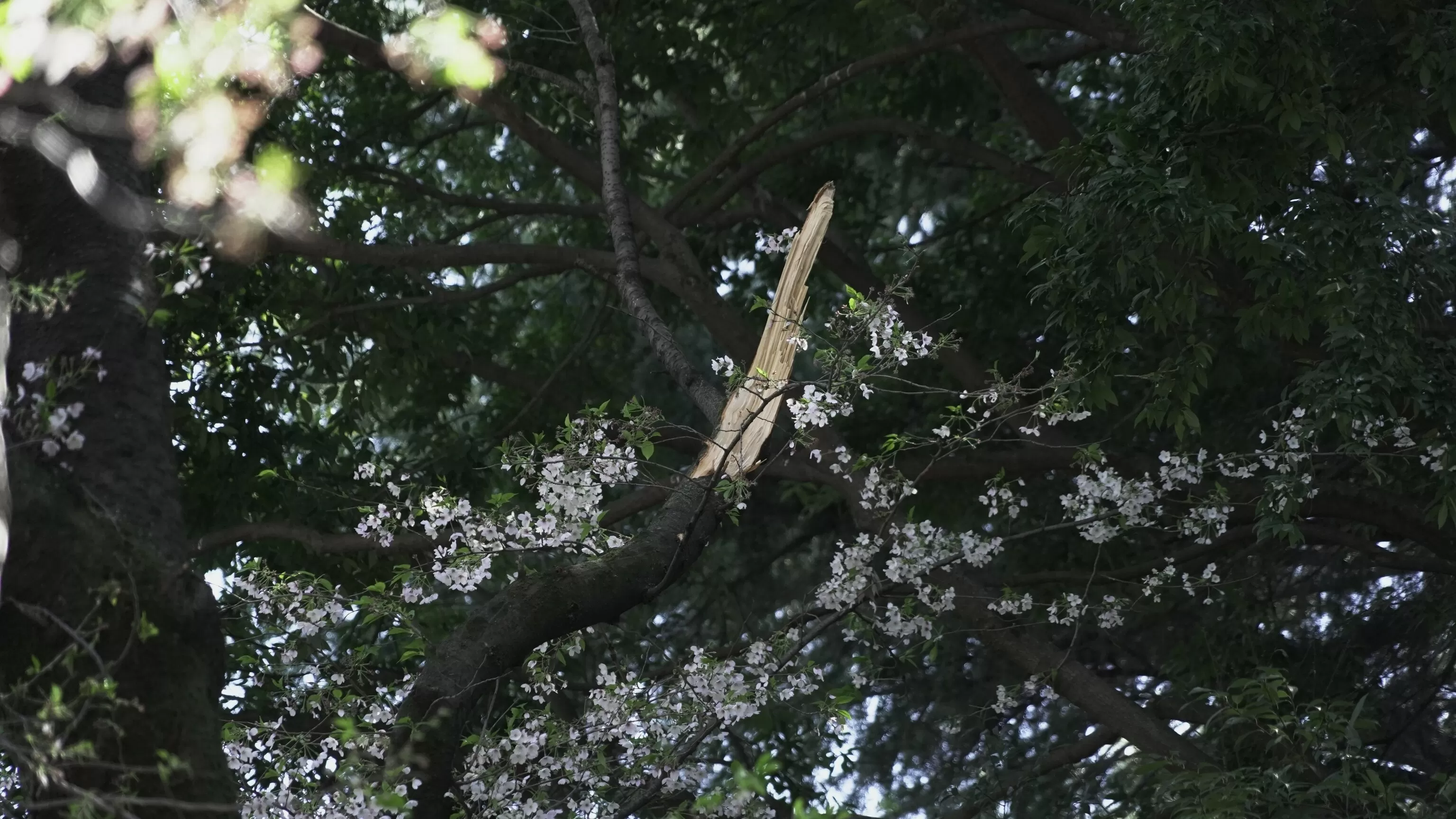
In Tokyo, the bustling capital city of Japan, the arrival of spring is marked by the beautiful blooming of cherry blossom trees. These delicate pink flowers, known as Somei Yoshino, have become a symbol of Japan's rich culture and tradition. However, as the city prepares for another spring season, there is growing concern over the state of the cherry blossom trees that line its streets and parks.
The Somei Yoshino cherry blossom variety, which is the most popular in Japan, was first cultivated in Tokyo during the country's postwar advancement in the 1960s. These trees were planted as a symbol of hope and renewal, and their blooming became a much-awaited event for the people of Tokyo. However, after decades of standing tall and providing a stunning display of pink and white flowers, many of these trees are now showing signs of aging and fragility.
According to experts, the average lifespan of a Somei Yoshino cherry blossom tree is around 60 years. This means that the trees planted during the 1960s are now reaching the end of their natural lifespan. As a result, many of these trees are becoming weak and prone to diseases, making them a safety hazard for the public. In recent years, there have been incidents of branches falling from these trees, causing damage to property and even injuring people.
The aging of these cherry blossom trees is a cause for concern not only for their cultural significance but also for their environmental impact. These trees play a crucial role in maintaining the balance of Tokyo's ecosystem. They provide shade, absorb carbon dioxide, and attract pollinators, making them an essential part of the city's green infrastructure. With the decline of these trees, there is a risk of losing these benefits and disrupting the city's natural balance.
To address this issue, the Tokyo Metropolitan Government has launched a project to replace the aging cherry blossom trees with new ones. The project, called "Sakura City," aims to plant 100,000 new cherry blossom trees across the city by 2023. This initiative not only ensures the preservation of Tokyo's iconic trees but also promotes the city's commitment to sustainability and environmental conservation.
In addition to the replanting project, efforts are also being made to care for the existing cherry blossom trees. The Tokyo Metropolitan Government has allocated a budget for the maintenance and preservation of these trees, including regular pruning, fertilization, and pest control. They have also introduced a system where citizens can report any concerns or issues regarding the cherry blossom trees, ensuring their safety and well-being.
The people of Tokyo, known for their strong connection to nature, have also taken it upon themselves to protect these beloved trees. Many volunteer groups have formed to help with the maintenance and replanting of cherry blossom trees. These groups, consisting of local residents, students, and even tourists, have shown their dedication and love for these trees by participating in various activities such as tree planting, cleaning, and educational workshops.
The Somei Yoshino cherry blossom trees hold a special place in the hearts of the people of Tokyo. They are not just beautiful flowers, but a symbol of resilience, hope, and the enduring spirit of Japan. As we witness the changing of the seasons and the blooming of these trees, let us also remember the importance of preserving and caring for them. With the collective efforts of the government and the people, we can ensure that the cherry blossom trees of Tokyo will continue to bloom for generations to come.