Colombia's Presidential Election Shaped by Gang Violence and Peace Talks
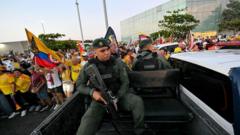
Colombia's Presidential Race Centered on Armed Gang Violence Response
Colombia's upcoming presidential election has become increasingly defined by the nation's ongoing armed gang violence and the sharply contrasting approaches proposed by the two leading candidates. The internal conflict, marked by escalating brutality and territorial disputes among organized criminal groups, has emerged as the central issue shaping voter preferences and campaign rhetoric across the country.
A prominent left-wing senator advocating for direct negotiations with armed organizations stands in stark contrast to a political outsider who has secured backing from international figures, including former U.S. President Donald Trump. This fundamental disagreement over how to address the country's gang-related violence has polarized the electorate and defined the terms of the national debate.
Left-Wing Senator's Dialogue-Based Strategy
The left-wing senator's platform rests on the premise that engaging in substantive talks with armed gangs offers a viable pathway toward reducing violence and achieving sustainable peace. This candidate advocates for diplomatic channels that would bring criminal organizations to negotiation tables, arguing that dialogue-based solutions have historically proven more effective at achieving lasting settlements than military confrontation alone.
Supporters of this approach contend that armed gang violence in Colombia stems from complex socioeconomic factors including poverty, limited economic opportunities, and territorial control disputes. They argue that addressing root causes through negotiated settlements could eventually diminish the appeal of criminal enterprises to vulnerable populations. The senator's position reflects broader principles of conflict resolution that prioritize communication and understanding over purely enforcement-based strategies.
Trump-Backed Candidate's Hardline Position
In contrast, the outsider candidate endorsed by Trump takes an uncompromising stance against armed gangs, emphasizing law enforcement, military operations, and zero-tolerance policies toward criminal organizations. This candidate's platform centers on strengthening security forces, increasing prosecutions, and implementing aggressive strategies designed to dismantle gang operations entirely.
The Trump-endorsed candidate argues that negotiating with violent organizations sends dangerous signals and rewards criminal behavior. This political outsider has gained traction among voters who believe conventional political approaches have failed to adequately address Colombia's security crisis. The candidate's message resonates with segments of the population demanding immediate, visible action against gang-related murders, extortion, and territorial violence.
The Impact of Armed Gang Violence on Colombian Society
Colombia's struggle with armed gang violence extends far beyond political rhetoric. The brutal conflict has devastated communities, displaced thousands of citizens, and created humanitarian emergencies across multiple regions. Armed organizations engage in kidnapping, extortion, drug trafficking, and territorial warfare that claims civilian lives regularly and destabilizes entire neighborhoods.
The escalating nature of this violence has forced ordinary Colombians to navigate daily existence amid persistent security threats. Rural communities, urban neighborhoods, and industrial areas all face pressure from competing criminal organizations seeking to expand control and maximize profits from illegal activities. This widespread insecurity directly influences how voters evaluate candidate proposals and election outcomes.
International Dimensions and Election Implications
The presidential election's focus on armed gang violence reflects broader geopolitical considerations. Trump's endorsement of the hardline candidate signals continued U.S. interest in Colombia's security trajectory and anti-drug operations. The outsider's campaign has effectively leveraged this international backing to position himself as a decisive leader capable of delivering results.
Meanwhile, the left-wing senator's diplomatic approach aligns with international human rights perspectives and regional peace-building initiatives. The stark contrast between these visions represents a fundamental choice for Colombian voters about the nation's future direction in addressing organized crime and internal conflict resolution.
Voter Priorities and Campaign Dynamics
Security concerns dominate voter priorities in this election cycle, with armed gang violence emerging as the leading issue influencing electoral decisions. Candidate positioning on how to address the brutality and territorial disputes has become the defining characteristic separating the major contenders. Both campaigns have invested heavily in messaging that emphasizes their respective strategies' potential effectiveness.
The left-wing senator appeals to voters skeptical of military solutions and believing in long-term peace possibilities through engagement. The Trump-endorsed outsider attracts voters demanding immediate security improvements and skeptical of negotiating with criminal organizations. This electoral divide reflects deeper philosophical disagreements about governance, security, and Colombia's path forward.
Conclusion: A Nation at a Crossroads
Colombia's presidential election crystallizes the nation's struggle with armed gang violence and the competing visions for resolving this crisis. As voters prepare to cast ballots, they confront a clear choice between dialogue-based approaches and hardline enforcement strategies. The outcome will substantially determine Colombia's security policies, international relationships, and the lived experiences of millions of citizens affected by the ongoing internal conflict and criminal violence shhattering communities throughout the country.


