Crude Oil Prices Drop as Strait of Hormuz Reopening Negotiations Advance
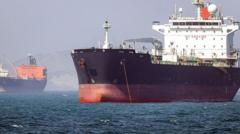
Oil Prices Fall on Strait of Hormuz Reopening Progress
Global crude oil prices have experienced a notable decline as international negotiations surrounding the Strait of Hormuz reopening have reached a significant milestone. The Strait of Hormuz oil prices reflect investor optimism regarding the restoration of critical maritime shipping corridors that are essential for global energy distribution.
US Secretary of State Marco Rubio and Treasury Secretary Scott Bessent jointly announced that diplomatic discussions have advanced substantially, creating favorable conditions for the resumption of commercial shipments through one of the world's most strategically important waterways. This development marks a crucial turning point in ongoing negotiations aimed at restoring normal trade operations in the region.
Diplomatic Progress Signals Market Relief
The announcement from high-ranking US officials has triggered immediate market reactions, with traders responding positively to signals of potential resolution. The progress in Strait of Hormuz oil prices negotiations demonstrates the interconnected nature of geopolitical developments and commodity market fluctuations. When major trade routes face uncertainty, energy costs naturally escalate due to supply chain concerns and increased shipping insurance premiums.
Bessent's involvement from the Treasury Department underscores the economic significance of these negotiations, highlighting how energy market stability directly impacts broader financial systems and international commerce. The coordination between State Department diplomacy and Treasury Department economic expertise indicates a comprehensive approach to resolving the situation.
Crude Oil Market Response to Negotiations
The crude oil market has demonstrated heightened sensitivity to announcements regarding the Strait of Hormuz. Approximately 21% of globally traded petroleum passes through this strategic waterway annually, making it one of the most critical chokepoints in international energy distribution. Any disruption or potential reopening generates substantial market implications.
Price fluctuations in the petroleum sector reflect investor assessments of supply availability and logistical constraints. When shipping routes face closure or uncertainty, refineries and distributors must seek alternative pathways, increasing operational costs and potentially reducing supply efficiency. Conversely, successful negotiations signaling route restoration provide confidence that supply chains can normalize, thereby reducing cost pressures on end consumers.
Global Energy Markets and Strategic Implications
The current situation underscores the vulnerability of global energy markets to geopolitical disruptions. The Strait of Hormuz serves as a critical intersection between Middle Eastern oil producers and global consumers. Any threat to its operability reverberates through international markets, affecting prices from crude extraction through final retail consumption.
Energy analysts and commodity traders closely monitor diplomatic developments in regions containing major shipping corridors. The progress announced by Rubio and Bessent provides reassurance to market participants that supply chain resilience may be maintained, supporting moderate pricing rather than dramatic escalations.
Oil Shipping Routes and Economic Recovery
The restoration of oil shipping routes through the Strait of Hormuz would facilitate smoother international trade and more efficient energy distribution networks. Shipping delays and rerouting add significant costs to petroleum commerce, impacting everything from airline fuel surcharges to heating oil prices in consuming nations.
When major maritime routes reopen following periods of disruption, economies typically experience stabilization in energy costs. This creates positive ripple effects throughout manufacturing, transportation, and other energy-intensive sectors. The preliminary success of diplomatic negotiations offers hope for such stabilization.
Petroleum Trading and Market Outlook
Petroleum trading dynamics continue to reflect underlying supply-demand fundamentals alongside geopolitical risk premiums. The announcement from US Treasury and State Department officials suggests that risk premiums associated with Strait of Hormuz closure may begin declining as confidence in route restoration grows.
Market participants will closely follow additional updates regarding the progression of these negotiations. If talks continue advancing positively, oil prices may experience continued moderation. Conversely, any setbacks could prompt renewed price increases as traders reassess supply chain stability.
The coordinated announcement by Rubio and Bessent demonstrates high-level commitment to resolving maritime trade issues. Their statements carry significant weight in commodity markets, where policy certainty and diplomatic progress directly influence investment decisions and pricing strategies.
Conclusion and Market Implications
The reported progress in negotiations regarding the Strait of Hormuz reopening represents an important development for global energy stability. The announcement that talks have advanced substantially provides relief to oil markets and broader economic sectors dependent on stable energy supplies. As these diplomatic efforts continue, market observers will remain attentive to further announcements that may confirm the successful restoration of this critical shipping route, potentially supporting continued moderation in crude oil prices and broader economic benefits for consuming nations worldwide.


