Crunchy Moms Facebook Group Spreads Anti-Vaccine Misinformation
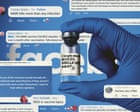
The Growing Impact of Vaccine Misinformation on Social Media
Vaccine misinformation Facebook groups have become increasingly prevalent across major social platforms, with one particularly large community accumulating nearly half a million members who regularly share contested health claims. Meta, the parent company of Facebook, maintains official policies against content that poses risks of immediate physical harm, yet such communities continue to thrive and expand their reach to unsuspecting parents seeking health guidance.
The concerning trend emerged prominently when a measles outbreak affected Lancaster County, Pennsylvania, during August, prompting concerned parents to seek vaccination advice in online forums. One parent, facing the decision of whether to vaccinate their three-year-old child while protecting a six-month-old sibling, reached out to these public discussion spaces for guidance. "I'm nervous for my baby," they expressed, reflecting the genuine anxiety many parents experience when making critical health decisions for their families.
How Major Facebook Communities Enable Health Misinformation Spread
The challenge of combating vaccine misinformation Facebook activity highlights fundamental tensions between platform policies and actual enforcement. Despite Meta's stated commitment to removing harmful health content, these communities function as echo chambers where contested medical narratives flourish without adequate fact-checking or professional medical oversight. Members share personal anecdotes, alternative health philosophies, and claims that often contradict established medical consensus, potentially influencing vulnerable parents making time-sensitive health choices.
The nature of anti-vaccine groups social media operations relies heavily on trust-based networks where personal relationships and shared lifestyle values create persuasive environments. Members who identify as "crunchy moms" often embrace holistic living practices, natural products, and skepticism toward conventional medical institutions. While many aspects of this lifestyle philosophy remain benign, the intersection with health decision-making becomes problematic when misinformation about vaccine safety and efficacy spreads unchecked through these trusted networks.
Understanding the Crunchy Moms Facebook Phenomenon
The Crunchy Moms Facebook misinformation challenge extends beyond simple disagreement about parenting approaches. These communities have established themselves as alternative information sources where parents receive guidance on vaccination decisions, disease prevention, and medical treatment options. The accessibility and apparent peer-based nature of these recommendations can feel more trustworthy to some parents than traditional medical authorities, particularly those who already harbor skepticism toward established healthcare institutions.
Research into vaccine hesitancy online communities has revealed consistent patterns: emotional testimonials carry substantial weight, scientific evidence receives dismissive treatment, and concerns about pharmaceutical industry practices become intertwined with legitimate safety discussions. This creates an environment where rational evaluation becomes difficult, and parents struggling with genuine health anxiety find themselves increasingly convinced that mainstream medical recommendations represent institutional overreach rather than evidence-based guidance.
The Public Health Consequences of Widespread Misinformation
The health misinformation spreading through Facebook communities has documented real-world consequences. During the Pennsylvania measles outbreak, vaccination coverage rates in affected regions dropped below community protection thresholds, enabling the virus to spread more readily through vulnerable populations. Children too young for vaccination, immunocompromised individuals, and those with legitimate medical contraindications face increased risk when community immunity declines due to vaccine hesitancy fueled by online misinformation.
Meta's enforcement mechanisms, despite publicly stated commitments to removing harmful health content, appear insufficient to counter the scale and sophistication of vaccine misinformation Facebook distribution. The platform's reliance on community reporting and algorithmic detection misses much problematic content, while the speed at which false claims spread often outpaces fact-checking and removal efforts. Meanwhile, anti-vaccine groups social media strategies have evolved to use coded language, subtle implications, and personal narratives that evade automated detection systems.
Navigating Trust and Medical Decision-Making
Parents seeking health information face unprecedented challenges distinguishing reliable guidance from misinformation. The vaccine hesitancy online communities functioning on Facebook and similar platforms have successfully positioned themselves as trusted alternatives to medical professionals, often by validating parental concerns that healthcare providers may address too quickly or dismiss too readily. This creates genuine dilemmas for anxious parents who receive contradictory information from different sources.
The solution requires multiple approaches: improved platform accountability, better communication from health authorities about vaccine safety and efficacy, critical media literacy education for social media users, and recognition that genuine parental concerns deserve respectful engagement rather than dismissal. Until these elements align more effectively, health misinformation spreading through Facebook communities will continue influencing vaccination decisions with potentially serious public health implications for vulnerable populations.