Did You Know Iran's Golestan Palace Once Hosted The Royal Wedding Of The 'Dior' Bride Of Tehran Whose Wedding Dress Had 6000 Diamonds?
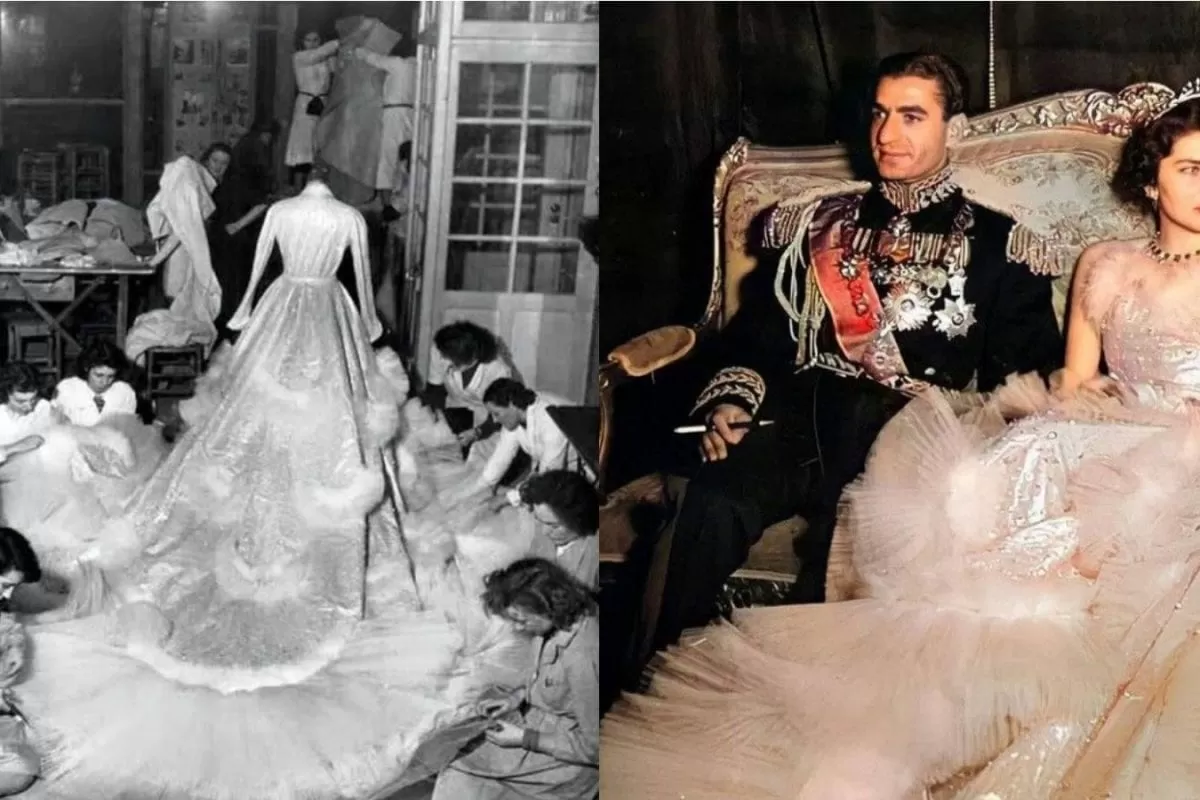
Once a symbol of luxury and opulence, Tehran's Golestan Palace was once the setting for a royal fairytale wedding between the Shah of Iran and Princess Soraya, dressed in a stunning Christian Dior gown. However, today the palace bears signs of damage amid the ongoing conflict between Iran and Israel.
Golestan Palace, meaning "Palace of Flowers", is a complex of buildings located in the heart of Tehran. It was originally built in the 16th century during the Safavid dynasty, but it was later renovated and expanded by the Qajar and Pahlavi dynasties. The palace is a UNESCO World Heritage Site and is known for its intricate architecture, beautiful gardens, and rich history.
One of the most notable events that took place at the Golestan Palace was the wedding of the Shah of Iran, Mohammad Reza Pahlavi, and Princess Soraya Esfandiary-Bakhtiari in 1951. The palace was adorned with lavish decorations and the couple exchanged vows in front of a large gathering of guests, including foreign dignitaries and members of the royal family. The ceremony was a grand affair, fit for a fairytale, and it put Golestan Palace on the map as a symbol of love and romance.
However, the palace's peaceful existence was disrupted in 1979 when the Iranian Revolution took place, resulting in the overthrow of the monarchy and the establishment of an Islamic republic. Golestan Palace was no longer used as a residence for the royal family and instead, it was turned into a museum for the public to visit and learn about Iran's rich cultural heritage.
But the palace's troubles did not end there. In recent years, it has become a victim of the ongoing conflict between Iran and Israel. The two countries have been at odds since the Islamic Revolution, with Israel being a strong supporter of the previous Iranian monarchy. This has led to tensions and conflicts between the two nations, resulting in damage to the Golestan Palace.
The palace has been hit by rockets and missiles numerous times, causing significant damage to its beautiful structures and gardens. The once vibrant and colorful walls of the palace now bear the scars of war, with holes and cracks visible on its surface. The gardens, once meticulously maintained, now show signs of neglect and destruction.
Despite the damage, the people of Iran have not given up on their beloved Golestan Palace. Efforts have been made to preserve and restore the palace to its former glory. The Iranian government has allocated funds for the restoration of the palace and the gardens, and volunteers have also joined in to help with the efforts.
The Golestan Palace is not just a historical site, but it is a symbol of Iran's rich culture and heritage. It represents the country's past, present, and future, and it is a source of pride for the Iranian people. The ongoing conflict may have caused damage to the palace, but it has not dampened the spirits of the people. They continue to visit the palace and appreciate its beauty, despite the signs of damage.
In conclusion, Tehran's Golestan Palace may have seen better days, but it remains a significant and cherished landmark in Iran. It has withstood the test of time and has been a witness to the country's rich history. The damage caused by the conflict between Iran and Israel is a reminder of the importance of preserving and protecting cultural heritage sites, and the efforts being made to restore the palace are a testament to the resilience and determination of the Iranian people. Golestan Palace will always hold a special place in the hearts of Iranians, and it will continue to inspire and captivate visitors for generations to come.