Donate Blood Today and Body Later for Science
Making a Difference Through Body and Blood Donation
Body donation represents one of the most meaningful contributions an individual can make to medical advancement and scientific research. Beyond this profound commitment, individuals also have the opportunity to donate blood during their lifetime, creating a dual impact on public health and medical education. The combination of blood donation and eventual body donation creates a comprehensive approach to supporting healthcare systems and advancing medical knowledge.
Understanding Body Donation Programs in the UK
The process of body donation involves bequeathing one's remains to medical institutions for anatomical study and research purposes. This practice has deep historical roots in medical education and continues to play a vital role in training healthcare professionals. Medical schools, anatomy departments, and research facilities across the United Kingdom rely on body donors to provide essential learning opportunities for students and researchers.
According to recent information shared through various medical channels, body donation allows medical professionals to conduct thorough anatomical studies that cannot be replicated through artificial models or digital simulations alone. The contributions of body donors enable surgeons to refine techniques, medical students to gain irreplaceable hands-on experience, and researchers to advance their understanding of human physiology and pathology.
The Process of Registering for Body Donation
For individuals interested in body donation in the UK, several pathways exist to formalize this decision. Medical schools and anatomical departments maintain registers of individuals who wish to donate their bodies upon death. Families considering body donation for deceased relatives should know that specific procedures and documentation requirements exist to facilitate the process.
The decision to donate one's body to science requires careful consideration and communication with family members. Many families find that discussing these wishes in advance prevents confusion and ensures that the individual's legacy supports medical education effectively. Documentation and registration with appropriate medical institutions streamline the process and provide families with clarity regarding next steps.
Blood Donation as a Complementary Commitment
While body donation represents a posthumous contribution, blood donation offers opportunities to save lives immediately. Regular blood donation programs throughout the UK depend on consistent participation from healthy donors. Each blood donation can potentially help multiple patients requiring transfusions during medical procedures, emergency situations, or treatment for chronic conditions.
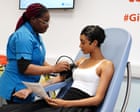
Organizations coordinating blood donation services emphasize that regular donors build a crucial reserve of safe, tested blood products. The process of blood donation involves straightforward procedures at designated centers, and donors typically contribute at intervals that allow their bodies to naturally replenish blood cells and plasma.
The Impact of Plasma Donation
In addition to whole blood donation, plasma donation offers another valuable avenue for supporting medical needs. Plasma, the liquid component of blood, contains essential proteins and antibodies used in treating various conditions. Plasma donation programs can operate more frequently than whole blood donation, allowing dedicated donors to contribute regularly.
Creating a Legacy Through Medical Contribution
Individuals who combine blood donation during their lifetime with body donation commitments create a comprehensive legacy supporting medical advancement. This dual approach reflects a deep commitment to improving healthcare outcomes for future generations. Such contributions extend far beyond any single individual's medical treatment, influencing the quality of medical education and research for years to come.
For those interested in participating in these programs, resources exist to guide registration, answer questions, and provide comprehensive information about requirements and procedures. Medical institutions welcome inquiries from potential donors and their families, recognizing that informed decision-making leads to more meaningful contributions.
Getting Started with Your Donation Journey
Beginning the process involves researching available programs, contacting relevant medical institutions, and completing necessary documentation. For blood donation, locating nearby donation centers and scheduling appointments represents the first practical step. For body donation, connecting with anatomy departments at medical schools provides information specific to individual circumstances and preferences.
The medical community values and deeply appreciates the generosity of donors and their families. Whether contributing blood during life or planning body donation for after death, individuals make tangible differences in medical education and healthcare advancement. These meaningful contributions ensure that future medical professionals receive the training and resources necessary to provide excellent patient care throughout their careers.