Drumcree Court Decision Reignites Sectarian Tensions in Northern Ireland
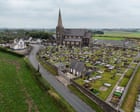
Drumcree Sectarian Confrontation Returns to Political Spotlight
A significant high court ruling has reignited longstanding tensions surrounding the Drumcree sectarian confrontation, one of Northern Ireland's most volatile historical flashpoints. The judicial decision to quash the latest restrictions on an Orange Order march along Garvaghy Road has reopened wounds that many believed had finally healed after two decades of relative peace in the region.
The History of Drumcree Sectarian Confrontation
The Drumcree sectarian confrontation emerged as a symbol of deep-rooted divisions in Northern Ireland throughout the 1990s and early 2000s. Each summer, tensions escalated dramatically around the parish church near Portadown in County Armagh, where the Orange Order sought to march along the predominantly nationalist Garvaghy Road. The disputes triggered violent clashes between marchers, residents, and police forces, with consequences extending far beyond the immediate area.
What made this Drumcree sectarian confrontation particularly dangerous was its capacity to ignite broader violence across the entire region. Murders and retaliatory attacks linked to the marching dispute claimed numerous lives and created a cycle of sectarian retaliation that threatened the stability of the entire province. The annual ritual became less about cultural expression and more about territorial assertion and communal identity assertion.
Decades of Uneasy Calm
Following intense negotiations and political pressure from both London and Dublin, the situation gradually de-escalated. By the early 2000s, what had been described as a boiling cauldron gradually cooled. The pitched battles between Orangemen and police around the parish church seemed consigned to history. The murderous sectarian violence that had characterized the peak years of the Drumcree sectarian confrontation gave way to what observers called a de facto truce.
For approximately twenty years, the arrangement held. While underlying tensions remained, a pragmatic understanding between communities reduced the likelihood of violent confrontation. This period of relative stability allowed Northern Ireland to focus on reconciliation efforts and economic development. The Garvaghy Road dispute became less a burning issue and more a name recognized primarily in historical contexts.
The Court Ruling and Its Implications
The high court's decision to overturn restrictions on the Orange Order march has fundamentally altered this precarious balance. By quashing the latest limitations on the route and timing of the march, the court has effectively reopened debate over community rights, cultural expression, and sectarian accommodation in Northern Ireland. The ruling represents a significant legal shift that could undermine years of carefully constructed informal agreements.
Legal experts suggest the judgment may establish new precedents regarding marching restrictions and community consent. The court's reasoning appears to prioritize freedom of expression and traditional rights over community sensitivities and public order concerns. This interpretation differs markedly from previous judicial approaches that sought to balance competing rights and maintain social peace.
Political Reactions and Sectarian Tensions
Political leaders across the sectarian divide have responded sharply to the Drumcree sectarian confrontation's resurgence in the news cycle. Nationalist politicians warn that the ruling disrespects nationalist communities and their legitimate concerns about intimidation and territorial assertion. They argue that the decision prioritizes historical marching traditions over residents' rights to peaceful existence.
Unionist and Orange Order representatives counter that the ruling restores fundamental freedoms that had been unjustly curtailed. They characterize restrictions as discriminatory measures that undermine cultural heritage and community identity. This fundamental disagreement over rights and respect forms the core of renewed tensions surrounding the Drumcree sectarian confrontation.
Contemporary Concerns About Sectarian Violence
Peace process observers express genuine concern that the Drumcree sectarian confrontation could serve as a catalyst for renewed violence. While Northern Ireland has progressed significantly since the Good Friday Agreement, sectarian tensions remain beneath the surface. Flashpoint issues like marching routes retain symbolic significance disproportionate to their practical importance, making them potentially explosive in the current climate.
Community relations organizations have urged all parties to engage in dialogue rather than escalation. They emphasize that the Drumcree sectarian confrontation represents not merely a marching dispute but a test of whether the peace process can accommodate competing cultural expressions within a genuinely shared society.
Looking Forward
The implications of this court ruling extend beyond Drumcree itself. The Drumcree sectarian confrontation's revival demonstrates how historical grievances can resurface despite decades of apparent resolution. Northern Ireland's political leaders face pressure to either negotiate new arrangements or risk returning to patterns of sectarian confrontation that characterized earlier decades. The coming weeks will prove critical in determining whether dialogue prevails or whether the region slides back toward confrontation and violence rooted in this unresolved community dispute.