Energy bills could hit £2,500 as Iran conflict threatens global gas supplies
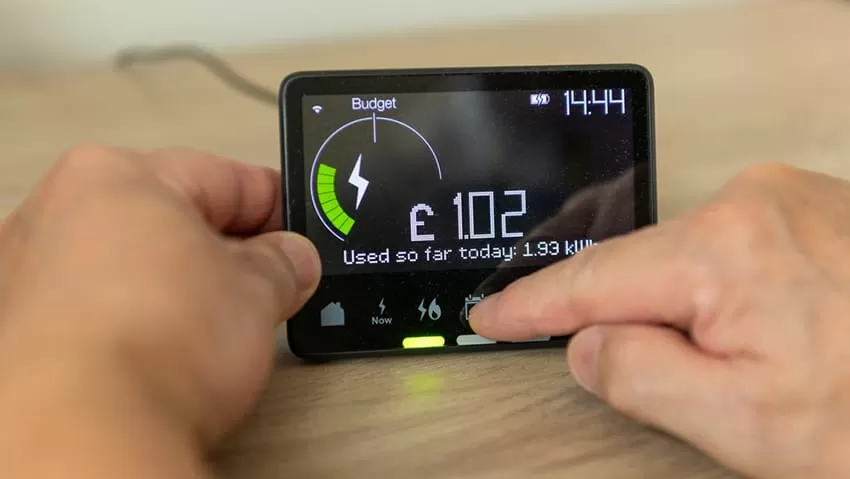
UK household energy bills could potentially reach an alarming £2,500 a year if the ongoing conflict between the United States and Iran disrupts liquefied natural gas (LNG) supplies from Qatar and the Strait of Hormuz, according to industry analysts. This worrying prediction comes at a time when households are already struggling with high energy costs and the added stress of a potential supply shortage could have a significant impact on their budgets.
The recent escalation of tensions between the US and Iran has raised concerns about the safety of global energy supplies, particularly in the Middle East. Qatar, the world's largest exporter of LNG, is located in close proximity to Iran and the Strait of Hormuz, a crucial shipping lane for oil and gas exports. Any disruption to the supply of LNG from Qatar could have a domino effect on prices and lead to a sharp increase in energy bills for UK households.
Analysts have warned that the current political situation could result in a significant rise in the cost of LNG, which is used to generate electricity and heat homes in the UK. This could lead to a staggering increase of up to £2,500 in annual energy bills for households, which would be a huge burden for many families already struggling with the rising cost of living.
The potential for a spike in energy bills has sparked concerns among consumer groups, who fear that this could leave vulnerable households in a state of financial distress. According to the latest figures from the Office for National Statistics, energy bills already account for a significant portion of household expenses, with the average annual cost reaching £1,254. A further increase of £2,500 would be a huge blow for families on low incomes and could push them into fuel poverty.
In light of these worrying predictions, experts are urging the government to take immediate action to mitigate the potential impact on households. They are calling for measures to be put in place to diversify energy supplies and reduce the UK's reliance on LNG from Qatar. This would not only help to safeguard against potential disruptions in the future but also create a more stable market for energy prices.
Furthermore, industry leaders are also stressing the importance of investing in renewable energy sources, such as wind and solar power, to reduce the country's dependence on fossil fuels. Not only would this help to lower energy bills in the long term, but it would also contribute to reducing carbon emissions and tackling climate change.
The government has a crucial role to play in ensuring that UK households are not left vulnerable to the impact of global conflicts on energy supplies. It must act swiftly and proactively to address the potential threat to energy security and take steps to protect consumers from a sharp increase in energy bills.
In the meantime, consumers can also play their part in managing their energy costs by taking simple steps to reduce their energy consumption. This includes being mindful of energy usage, switching to energy-efficient appliances, and insulating their homes to improve energy efficiency.
It is evident that the ongoing conflict between the US and Iran has the potential to have a significant impact on energy supplies and prices, which could have a ripple effect on UK households. However, with the right measures in place, we can mitigate the potential risks and ensure that energy bills remain affordable for all. The government must act now to secure a stable and diverse energy market and protect households from the burden of rising energy costs.