England's Drought Crisis: Two-Thirds Region Now Official
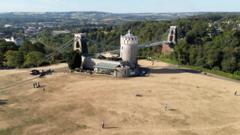
England's Widespread Drought Declaration Affects Millions
More than two-thirds of England's territories have now transitioned into official England drought crisis status, marking a significant escalation in the country's water emergency. This expansion of drought conditions represents a serious concern for residents, businesses, and environmental management across multiple regions, as water resources continue to diminish amid persistent dry weather patterns.
Regional Areas Now Under Official Drought Status
Several key regions have recently been reclassified into drought conditions. The East Midlands, encompassing Lincolnshire and Northamptonshire, have joined the growing list of water-stressed areas. Additionally, Kent and East Sussex in the southeast, along with the Solent region and the South Downs, have all received formal drought status designations from water authorities.
Impact on the East Midlands and Eastern England
The East Midlands designation brings significant concern given the region's agricultural importance and substantial population centers. Lincolnshire and Northamptonshire, both critical agricultural areas, now face stricter water usage restrictions. These designations affect millions of residents and thousands of farming operations that depend on consistent water availability for irrigation and livestock management.
Southeast England's Growing Water Challenges
The southeast experiences acute pressure as Kent and East Sussex join the official England drought crisis list. The Solent region, encompassing parts of Hampshire and surrounding coastal areas, alongside the South Downs chalk aquifer region, now operate under heightened water stress conditions. These areas serve as home to considerable urban populations and depend heavily on both surface water and groundwater reserves.
Understanding Drought Status Classification
Drought status represents the most severe water shortage classification available to authorities. When regions enter this category, it triggers mandatory water conservation measures, potential usage restrictions, and emergency management protocols. The classification indicates that current precipitation levels and water storage capacity fall critically below sustainable thresholds.
Broader Implications for England's Water Security
The expansion of the England drought crisis to more than two-thirds of the nation signals deepening challenges in the country's water infrastructure and climate resilience. Extended periods of below-average rainfall have depleted aquifers, reservoirs, and groundwater supplies across multiple regions. This widespread situation demands coordinated response strategies involving water utilities, government agencies, and public participation.
Water Supply System Stress
Water companies operating across affected regions report declining reservoir levels and reduced water availability from natural sources. Supply systems that typically draw from multiple sources now face limitations in accessing adequate reserves. This pressure extends beyond domestic use to industrial applications, commercial operations, and environmental flow requirements for aquatic ecosystems.
Conservation Measures and Public Response
Residents and businesses throughout the affected areas receive guidance on water conservation practices. Restrictions on garden watering, vehicle washing, and other non-essential uses become standard in drought-affected regions. Public cooperation proves essential for managing demand during periods of limited supply availability.
Looking Ahead: England Drought Crisis Monitoring
Water authorities continue monitoring precipitation forecasts, groundwater levels, and reservoir capacity across all designated drought regions. The situation remains fluid, with potential changes based on seasonal weather patterns and ongoing precipitation records. Forecasts and climate data will influence decisions regarding the duration and intensity of conservation measures implemented throughout affected communities.


