Ex-Olympic Athlete Denies Vandalism at Washington's Iconic Reflecting Pool
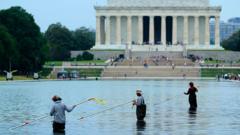
Ex-Olympic Competitor Faces Allegations Over Washington Reflecting Pool Incident
A former Olympic athlete has firmly rejected accusations related to vandalism at the Washington Reflecting Pool, one of the nation's most recognizable landmarks. The incident has drawn significant attention, with the athlete maintaining his innocence regarding the alleged destruction of property at this historically significant site.
Details of the Washington Reflecting Pool Controversy
The Washington Reflecting Pool vandalism allegations emerged following an arrest at the iconic venue near the National Mall. According to official reports, authorities detained the individual during an inspection of newly applied paint at the location. The incident has raised questions about security measures and public access to these protected federal monuments.
Athlete's Account of Events
Davey Hearn, the former Olympic competitor at the center of the controversy, has provided a different narrative regarding his actions at the Washington Reflecting Pool. Rather than engaging in deliberate vandalism, Hearn asserts that his involvement was purely exploratory in nature. He claims he was examining the freshly painted surfaces through tactile inspection, driven by simple curiosity about the restoration work being conducted at the site.
The distinction between casual inspection and intentional vandalism forms the crux of Hearn's defense. He specifically denies removing any paint, altering the finish, or causing any substantive damage to the newly treated surfaces at the Washington Reflecting Pool. His account suggests the incident resulted from innocent interaction with recent maintenance work rather than malicious intent.
Legal Implications and Investigation
The arrest and subsequent allegations have placed scrutiny on what constitutes prohibited behavior at federal monuments. The Washington Reflecting Pool, a 2,029-foot-long rectangular basin located on the National Mall, serves as a major tourist attraction and site for public gatherings. Maintaining the integrity of such structures requires strict protocols regarding public interaction with ongoing restoration projects.
Federal authorities have been investigating the incident involving the Washington Reflecting Pool to determine whether Hearn's actions violated any statutes related to vandalism, property damage, or trespassing. The investigation seeks to establish facts surrounding the extent of any contact with the newly painted surfaces and whether such contact caused measurable harm to the monument.
Public Monument Protection Standards
The Washington Reflecting Pool incidents highlight broader concerns about protecting national landmarks from damage while maintaining public access. Federal policies governing the Washington Reflecting Pool and similar monuments aim to balance preservation with visitor engagement. Recent restoration efforts at the pool reflect ongoing commitment to maintaining these structures for future generations.
The case raises questions about how authorities should respond to individuals who come into contact with preservation materials at protected sites. The distinction between curious observation and intentional destruction becomes legally significant when federal monuments like the Washington Reflecting Pool are involved.
Hearn's Olympic Background
As a former Olympic athlete, Davey Hearn's involvement in the Washington Reflecting Pool incident has attracted broader media attention than might typically accompany such an arrest. His athletic accomplishments and public profile have amplified coverage of the allegations, making the case a subject of considerable public interest and discussion.
Moving Forward
The resolution of this matter will likely depend on forensic evidence and testimony regarding the condition of the paint before and after the alleged contact. Whether authorities can demonstrate intentional vandalism at the Washington Reflecting Pool or whether Hearn's account of innocent curiosity proves dispositive remains to be determined through the legal process. The incident serves as a reminder of the importance of protecting federal monuments while clarifying standards for appropriate public behavior at such sites.


