Gatorade Recall: 122K Cases Pulled from 37 States
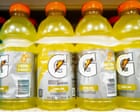
Gatorade Recall Affects Over 122,000 Cases Nationwide
PepsiCo, the beverage corporation behind the renowned Gatorade brand, has initiated a significant voluntary recall impacting approximately 122,000 cases of its popular sports drink across 37 United States. The Gatorade recall stems from the presence of undeclared yellow food dyes in specific product batches, according to documentation published by the United States Food and Drug Administration (FDA).
The recall announcement represents a proactive measure by the manufacturer to ensure consumer safety and regulatory compliance. PepsiCo formally commenced the Gatorade recall procedure on September 25th, with the FDA subsequently publishing the official advisory on its public database for consumer awareness and product identification.
Affected Gatorade Products and Package Sizes
The Gatorade recall specifically targets 28-ounce bottle sizes across multiple flavor variants. The impacted product lines include Gatorade Lemon Lime, Gatorade Lime Zero, Gatorade Orange, and Gatorade Orange Zero formulations. These particular varieties were distributed to consumers throughout the 37-state territory prior to the recall notification.
The 28oz bottle format represents a commonly purchased size for individual consumers and small group consumption. Identification of the exact affected batches is crucial for consumers to determine whether their purchased products fall within the recall parameters. The FDA notice provides specific batch codes and production dates to assist consumers in verifying their product status.
Undeclared Yellow Dyes: The Core Issue
The fundamental reason for this Gatorade recall centers on the presence of undeclared yellow food dyes within the beverages. Undeclared ingredients pose potential health risks to consumers, particularly those with known allergies or sensitivities to specific food colorants. The FDA maintains strict regulations regarding ingredient transparency and mandatory disclosure of all additives used in food and beverage manufacturing.
Food dye disclosure is essential for individuals requiring dietary restrictions or those managing allergic reactions. Yellow dyes, commonly utilized in beverage coloring, can trigger adverse reactions in sensitive populations. The absence of proper labeling prevents consumers from making informed purchasing decisions based on their personal health requirements and dietary preferences.
PepsiCo's Response and FDA Involvement
PepsiCo demonstrated swift corporate responsibility by initiating the voluntary Gatorade recall without awaiting formal FDA enforcement action. Voluntary recalls indicate manufacturer awareness of potential product concerns and commitment to consumer welfare. The company worked in coordination with federal regulatory authorities to ensure systematic recall execution across all affected distribution channels.
The FDA's regulatory oversight encompasses monitoring manufacturing processes, ingredient sourcing, and labeling accuracy. When manufacturers identify compliance issues, voluntary recall procedures expedite product removal from retail shelves and consumer homes. This collaborative approach between PepsiCo and the FDA exemplifies the regulatory framework designed to protect public health.
Geographic Distribution and Consumer Impact
The 37-state distribution pattern indicates broad market penetration of the affected Gatorade recall products. Consumers across multiple regions may possess recalled merchandise in their homes, vehicles, or personal inventories. The geographic scope necessitates comprehensive communication efforts to reach affected purchasers regardless of location.
Retail chains, convenience stores, and food service establishments across the 37-state region received recall notifications instructing staff to remove affected Gatorade products from shelves. Consumers who purchased these beverages during the distribution period should verify their product codes against the FDA's official recall database.
Consumer Action Steps
Individuals who purchased Gatorade products matching the recall description should consult the FDA website for detailed batch identification information. Consumers can cross-reference their bottle codes with the official recall announcement to determine product status. Those possessing affected merchandise are advised to discontinue consumption and contact PepsiCo customer service for replacement or refund options.
The FDA encourages consumers to report any adverse health effects related to the recalled Gatorade products through its official reporting mechanism. Documentation of adverse reactions assists regulatory agencies in monitoring product safety trends and informing future enforcement decisions. Health professionals treating patients with suspected reactions to recalled beverages should maintain detailed medical records.
Broader Food Safety Implications
This Gatorade recall underscores the importance of rigorous quality control procedures throughout beverage manufacturing operations. PepsiCo's manufacturing facilities must implement enhanced inspection protocols to prevent future undeclared ingredient incidents. The recall process itself demonstrates regulatory mechanisms designed to protect consumers from potentially harmful products.
Food and beverage manufacturers face substantial regulatory requirements mandating complete ingredient transparency. Manufacturing errors, labeling mistakes, or supply chain contamination can result in recalls affecting hundreds of thousands of consumer units. The Gatorade recall illustrates how even established brands serving millions of customers remain subject to strict safety oversight.
Moving Forward
PepsiCo will likely implement corrective action measures addressing the root cause of the undeclared dyes in Gatorade products. Manufacturing process reviews, ingredient verification procedures, and quality assurance enhancements typically follow significant recalls. The company maintains reputation considerations alongside regulatory obligations in executing comprehensive corrective strategies.
Consumers can monitor the FDA website for updates regarding the Gatorade recall status, expanded product scope, or additional manufacturer directives. Regulatory transparency ensures the public maintains access to current safety information concerning recalled products and manufacturer responses to identified deficiencies.