Global Power Shift: Trump, Putin Xi Alliance Threatens Europe
Trump, Putin and Xi Alliance: A New World Order?
The Trump, Putin and Xi alliance emerging from recent international summits has sparked significant debate about the future of global power distribution. As western political leaders navigate an increasingly complex geopolitical landscape, questions mount regarding Europe's position in a rapidly evolving world order. The convergence of these three major powers signals potential structural changes in international relations that could fundamentally alter the balance between Eastern and Western influences.
Diplomatic Initiatives in Western Europe
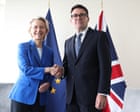
High-level diplomatic engagements are intensifying across European capitals this week. Senior British officials, including prominent government representatives, are conducting strategic meetings throughout Berlin and Brussels. These consultations focus primarily on two interconnected issues: strengthening support for Ukraine amid ongoing regional tensions and advancing deeper integration with European Union institutions. Such diplomatic missions underscore Europe's attempt to reinforce internal cohesion and fortify its external relationships during a period of heightened international uncertainty.
The APEC Summit and Strategic Realignment
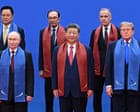
Simultaneously, developments at the Asia-Pacific Economic Cooperation summit in China have captured global attention. The Trump, Putin and Xi alliance demonstrated at this forum represents an unprecedented convergence of leadership from the world's major geopolitical actors. Observers have noted the symbolic significance of these interactions, particularly given current international tensions and competing economic interests across different regions.
The timing of these meetings alongside European diplomatic efforts raises crucial questions about whether this constitutes a genuine realignment of global power structures or merely represents routine international engagement amplified by media coverage.
Is Europe Losing Its Geopolitical Weight?
The Trump, Putin and Xi alliance raises fundamental questions about Europe's future relevance in global affairs. Historically, European nations have exercised considerable influence over international decision-making through established institutions and economic leverage. However, the apparent strengthening of partnerships between Eastern powers and the United States challenges assumptions about Western unity and European centrality in world politics.
Economic disparities between developed European economies and rapidly expanding Asian markets have already shifted investment patterns and trading relationships. If diplomatic alignments follow economic trends, Europe could face marginalization in key international negotiations affecting trade, security, and technology governance.
Ukraine as a Critical Flashpoint
Ukraine's security situation remains central to European concerns. The Trump, Putin and Xi alliance dynamics directly impact prospects for conflict resolution in Eastern Europe. European leaders recognize that maintaining strong support for Ukraine requires not only internal European consensus but also broader international backing. Current diplomatic efforts in Brussels and Berlin specifically address strategies for sustaining Ukraine aid while navigating relations with unpredictable international partners.
EU Integration and Reset Discussions
Parallel to concerns about external power realignments, European institutions are pursuing internal strategic resets. Discussions between British officials and EU leadership explore possibilities for enhanced cooperation and closer alignment on critical policy areas. These conversations acknowledge that European strength depends partly on institutional coherence and unified positions on major international issues, including responses to the Trump, Putin and Xi alliance emergence.
Separating Reality from Speculation
Determining whether recent summits represent transformative geopolitical shifts or routine diplomatic theater requires careful analysis. Photo opportunities at international forums often receive disproportionate media attention relative to substantive policy outcomes. The Trump, Putin and Xi alliance visibility at APEC warrants monitoring, but concrete agreements and sustained coordination matter more than symbolic meetings.
Journalists and analysts examining these developments must distinguish between genuine strategic partnerships and ceremonial interactions designed for domestic political audiences. While leadership from major powers meeting at international venues inevitably shapes perceptions about global dynamics, actual shifts in international behavior require consistent policy implementation over extended periods.
The Uncertain Road Ahead
The question of whether Europe faces genuine declining influence or merely confronts temporary adjustments in international relations remains unresolved. The Trump, Putin and Xi alliance trajectory will depend on whether these leaders prioritize sustained cooperation or pursue competing national interests. European responses through diplomatic engagement, institutional strengthening, and strategic partnerships will significantly influence the continent's future geopolitical position in an increasingly multipolar world.