Iran Closes Strait of Hormuz After Israel's Military Operations in Lebanon
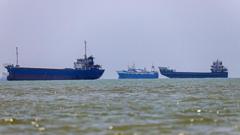
Iran Closes Strait of Hormuz Amid Regional Escalation
The Strait of Hormuz closure has become a central point of contention in the ongoing Middle East conflict. Iran announced that it has closed the critical waterway in response to what Iranian officials describe as unprovoked Israeli military strikes targeting Lebanese territories and infrastructure.
According to statements from Tehran's government representatives, the Strait of Hormuz blockade represents a measured response to what they characterize as a systematic violation of previously established diplomatic agreements. Iranian authorities claim that Israel's recent military campaign in Lebanon directly contravenes the ceasefire framework that was negotiated and agreed upon between Iran and the United States.
Diplomatic Tensions Between Iran and Israel
The escalating military operations have created substantial diplomatic friction within the region. Iranian officials have expressed deep concern regarding Israel's continuous bombardment of Lebanese positions, describing these actions as violations of international agreements designed to maintain regional stability and prevent further escalation of hostilities.
The situation represents a significant deterioration in relations between Tehran and the Israeli government. According to Iranian statements, the military actions undertaken by Israel in Lebanese territory breach fundamental principles of the agreements that Iran had previously negotiated through intermediaries, particularly the United States.
Impact of the Strait of Hormuz Closure
The closure of the Strait of Hormuz holds enormous economic implications for global trade and energy markets. This critical maritime passage serves as a vital shipping route through which approximately 30 percent of the world's maritime-traded oil transits daily. Any disruption to shipping through the Strait of Hormuz creates immediate concerns for energy prices and supply chain stability across international markets.
The blockade announced by Iran raises significant questions about freedom of navigation and the potential for further escalation in the Persian Gulf region. Shipping companies and energy producers have begun assessing the implications of the Strait of Hormuz closure for their operations and logistics planning.
Previous Agreements and Current Violations
Iran's leadership references specific agreements that were negotiated with United States officials regarding the resolution of the conflict in Lebanon. These diplomatic accords were designed to create a framework for de-escalation and prevent further military operations that could expand the scope of regional conflict.
Iranian government spokespersons argue that Israel's recent military strikes represent a fundamental betrayal of these agreements. They contend that the scale and intensity of operations in Lebanon violate the spirit and letter of understandings that were reached through painstaking negotiations.
Regional Security Concerns and Strategic Implications
The Strait of Hormuz closure decision reflects broader strategic calculations by Iranian leadership regarding how to respond to military actions they perceive as threatening to their interests and those of their regional allies. The announcement appears designed to signal Iranian resolve while also imposing economic and logistical costs on nations that support Israeli military operations.
Military analysts note that the closure of the Strait of Hormuz represents one of Iran's most significant tools for exerting leverage in regional disputes. Given the waterway's critical importance to global energy security, any extended blockade could have cascading economic effects far beyond the immediate region.
International Response and Concerns
The closure announcement has prompted immediate concern from maritime powers and energy-dependent nations. International observers are monitoring the situation closely to determine whether Iran will enforce the blockade and what mechanisms it might employ to control shipping traffic through the strait.
Global energy markets have reacted to the announcement, with oil prices showing volatility in response to the threat of supply disruptions. Shipping companies are reassessing routes and insurance costs for vessels transiting the region, with many considering alternative pathways around the African continent despite the substantial additional time and expense such routing requires.
Conclusion: Escalating Middle East Tensions
The Iranian announcement regarding closure of the Strait of Hormuz represents a dramatic escalation in the broader conflict involving Israel, Lebanon, and regional powers. The situation underscores the fragility of diplomatic agreements and the risks posed by continued military operations in strategically vital areas. As international actors seek to manage the crisis, the implications of the Strait of Hormuz closure for global security and economic stability remain a pressing concern for policymakers and business leaders worldwide.


