King Addresses Commonwealth on Britain's Slave Trade Legacy
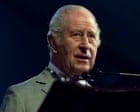
King Charles Addresses Commonwealth on Slavery History
During the formal opening of the Commonwealth Heads of Government Meeting (Chogm) in Antigua, King Charles III delivered remarks acknowledging Britain's historical involvement in the transatlantic slave trade, characterizing it as "shameful." The King's address to Commonwealth leaders represented a significant moment in discussions about colonial legacy, though notably stopped short of issuing a formal apology for Britain's role in the slave trade that devastated millions of lives across centuries.
The Speech and Its Significance
The Commonwealth Heads of Government Meeting serves as a crucial platform where member nations gather to discuss shared concerns and historical grievances. King Charles's statement regarding the slave trade shame reflects growing international pressure on Western nations to confront their colonial pasts. His acknowledgment of Britain's shameful conduct during the era of slavery demonstrates a willingness to engage with difficult historical narratives, even as the British monarchy maintains its traditional diplomatic reserve regarding formal reparations.
The timing of these remarks at Chogm in Antigua carries particular weight, given that the Caribbean nation has emerged as a leading voice advocating for Commonwealth nations to seek reparations from their former colonial powers. Many Caribbean and African nations within the Commonwealth have increasingly vocalized demands for financial compensation and formal apologies for the centuries-long exploitation during the slave trade era.
Government Response to Reparations Questions
Following the King's address, government officials were questioned about Britain's potential reconsideration of Commonwealth membership in light of ongoing reparations requests from member states. Officials responded by noting that reparations demands are not universal across the Commonwealth, and that many member nations do not actively pursue such claims. This assertion aimed to contextualize the reparations issue as a concern raised by specific nations rather than a unified Commonwealth position.
Political Debate Over Apologies and Accountability
The question of whether Britain should formally apologize for its role in the slave trade has become increasingly contentious in British politics. Critics of formal apologies argue that such acknowledgments could be interpreted as weakness and might invite further demands from nations seeking financial compensation. This perspective suggests that apologizing would open the door to numerous claims against the British taxpayer and potentially damage Britain's international standing.
Proponents of this view contend that other nations have engaged in similarly troubling historical conduct without issuing formal apologies or making reparations payments. They argue that making formal apologies unique to Britain could create a precedent that disadvantages the nation diplomatically and financially. This debate reflects broader tensions within British politics about how to balance historical accountability with national interests.
The Broader Context of Colonial Legacy
The Commonwealth Heads of Government Meeting in Antigua provided a forum for discussing not only Britain's slave trade legacy but also the ongoing relationships between former colonial powers and their former colonies. Nations within the Commonwealth have increasingly demanded that historical injustices be acknowledged and addressed through substantive means, including financial reparations and educational initiatives about the realities of colonialism.
King Charles's characterization of the slave trade as "shameful" represents an evolution in royal rhetoric regarding colonialism. Previous generations of the British monarchy maintained more distant positions on colonial history, while the current King has demonstrated greater willingness to engage with these difficult subjects publicly.
Commonwealth Member Nations and Reparations Advocacy
Caribbean nations in particular have united in calling for reparations from Commonwealth nations involved in the transatlantic slave trade. These nations argue that the lingering economic and social impacts of slavery continue to affect their populations and national development. The reparations debate has become a defining feature of recent Commonwealth meetings, with nations such as Jamaica, Barbados, and others increasingly vocal in their demands for acknowledgment and compensation.
The distinction between acknowledging historical wrongdoing and providing financial reparations remains a central point of contention. While King Charles's acknowledgment of shameful conduct represents progress in historical recognition, it falls short of the formal apology and reparations that many Commonwealth nations seek. This middle ground reflects the complexity of addressing colonial legacies within the modern Commonwealth framework, where historical justice, national sovereignty, and diplomatic relations intersect.