Medical Exam Security Reinforced as Indian Students Retake Test Following Paper Breach
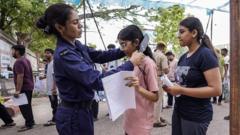
Enhanced Security Protocol Implemented for Medical Entrance Retake
A significant medical exam paper leak has prompted authorities in India to establish unprecedented security arrangements for the rescheduled testing session. Millions of medical candidates are now navigating through rigorous verification procedures designed to prevent any further unauthorized access to examination materials.
The implementation of comprehensive security frameworks represents a watershed moment in Indian educational testing infrastructure. Biometric verification systems have been installed at examination centers nationwide, requiring each student to undergo fingerprint scanning and facial recognition before entering designated testing areas. This medical exam security overhaul marks one of the most ambitious protective measures ever deployed across the country's healthcare entrance assessments.
Biometric and Physical Security Measures in Place
Candidates preparing for the rescheduled assessment must now anticipate extensive screening procedures. All individuals seeking entry to examination halls undergo comprehensive frisking protocols, with specially trained security personnel conducting thorough inspections of personal belongings, clothing, and accessories. Each participant receives individual attention to ensure no prohibited materials enter the testing environment.
The biometric verification exam procedures extend beyond traditional identification methods. Advanced technological systems now cross-reference candidate information with national databases, creating multiple layers of identity confirmation. These checks occur at multiple checkpoints throughout the examination facility, preventing any possibility of candidate substitution or unauthorized test-taking assistance.
Air Force Involvement in Exam Paper Security
In an extraordinary escalation of preventive measures, the Indian Air Force has been brought in to provide specialized security oversight for examination materials. Military personnel now supervise the storage, transportation, and distribution of all test papers, establishing secure logistics chains from printing facilities to individual examination centers.
The air force exam security deployment demonstrates the severity with which authorities treat the previous breach. Air Force officials have established controlled environments where question papers remain under constant surveillance using sophisticated monitoring technologies. Transport of materials occurs using military vehicles with armed escorts, ensuring that no unauthorized individuals can access sensitive examination content before the testing date.
Scale of Student Participation and Testing Logistics
The scope of this rescheduled assessment affects an enormous segment of India's medical school aspirant population. Millions of candidates will participate in the makeup examination, with each individual subject to identical security protocols regardless of their demographic background or geographic location. This represents a monumental logistical undertaking requiring coordination across multiple states and union territories.
Examination centers have been significantly redesigned to accommodate these enhanced security requirements. Facilities now feature dedicated security zones, separate entry and exit routes, and quarantined areas where test papers remain isolated from public access. Each center operates under strict documentation requirements, with comprehensive records maintained of every person granted access to restricted zones.
Response to Previous Exam Irregularities
The alleged breach of examination security that necessitated this rescheduled assessment raised serious questions about institutional safeguards protecting India's medical education entrance process. The incident sparked widespread public concern about the integrity of merit-based selection systems and prompted immediate intervention from educational authorities at the highest governmental levels.
Officials conducting investigations into the original paper compromise have implemented corrective measures extending far beyond security hardware. Procedural reforms have been introduced affecting every stage of examination administration, from candidate registration to final result publication. These systemic changes aim to create a culture of accountability and transparency throughout the testing infrastructure.
Impact on Medical Education and Student Preparation
Students preparing for this rescheduled medical exam paper leak related assessment face unique psychological pressures alongside rigorous academic demands. The extended timeline resulting from the security breach has provided additional study time for some candidates, while creating anxiety for others concerned about maintaining peak preparation levels.
Medical education administrators have released comprehensive guidelines helping students understand what to expect during the rescheduled examination. These resources address practical concerns about arrival times, acceptable personal items, and specific procedural steps candidates must follow. Clear communication regarding security expectations has helped reduce confusion and ensure smoother testing operations.
Long-term Implications for India's Educational Assessment System
This security crisis may catalyze broader improvements in how India administers high-stakes educational examinations. Technology providers are already proposing next-generation solutions combining artificial intelligence, blockchain verification, and distributed security architectures. These innovations could fundamentally transform how the nation protects sensitive academic materials.
The financial investment required for these enhanced protective measures reflects institutional commitment to maintaining examination integrity. Budgetary allocations for security infrastructure have increased substantially, signaling that educational authorities view robust protection systems as essential components of merit-based selection mechanisms rather than optional administrative expenses.


