Nearly All Small Boat Asylum Women Face Sexual Violence, Warns UK Home Secretary
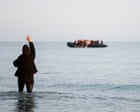
Home Secretary Raises Alarm Over Small Boat Asylum Women Sexual Violence Crisis
Shabana Mahmood, the UK's Home Secretary, has issued a stark warning regarding the plight of small boat asylum women crossing the English Channel. During a recent appearance on The Rest Is Politics podcast, she revealed that nearly all female migrants attempting to reach British shores via small boats from northern France have experienced sexual violence during their dangerous journeys. This alarming disclosure underscores the severe humanitarian challenges facing asylum seekers and the systematic exploitation by criminal networks.
The Home Secretary's comments highlight a critical intersection between migration policy and human rights protection. Small boat asylum women represent one of the most vulnerable populations in the current migration crisis, facing unprecedented dangers as they attempt to escape conflict and persecution. The prevalence of sexual violence among this demographic reveals the depths of desperation driving these journeys and the ruthless tactics employed by people traffickers who control these dangerous routes.
Human Trafficking Networks Exploit Vulnerable Asylum Seekers
Mahmood's remarks emphasize how criminal trafficking organizations deliberately target asylum seekers, particularly women, knowing that desperation makes them susceptible to exploitation. These networks operate with impunity, controlling the journey from northern France across the treacherous waters of the English Channel. The Home Secretary stressed that people traffickers strategically exploit the vulnerabilities of asylum seekers, using false promises of safety and security to lure individuals into life-threatening situations.
The trafficking operations represent a sophisticated criminal enterprise that profits enormously from human desperation. Women fleeing violence, persecution, and poverty become trapped within these networks, often incurring massive debts that perpetuate cycles of exploitation. The sexual violence experienced during transit reflects the complete absence of protection mechanisms for small boat asylum women, who remain entirely at the mercy of smugglers and traffickers throughout their journeys.
Government Response to Migration and Protection Challenges
As Home Secretary, Mahmood has positioned herself at the forefront of addressing both the migration crisis and the protection of vulnerable populations. Her public acknowledgment of the sexual violence crisis facing small boat asylum women signals an important shift in governmental discourse around asylum seekers. Rather than focusing exclusively on border control narratives, she has drawn attention to the humanitarian dimensions of the migration challenge.
The Home Secretary's intervention comes amid broader political debate about asylum policy and immigration control. During her podcast interview, Mahmood also addressed concerns about extremist political movements, warning that far-right activists represented a threat to democratic values and social cohesion. She contextualized these remarks within discussions about who determines immigration policy and how asylum decisions should be made.
Political Context and Democratic Concerns
Mahmood's comments about far-right, balaclava-wearing activists suggest growing concerns within government circles about the politicization of migration issues. She indicated that extremist movements threatened to undermine democratic processes and individual freedoms, particularly for marginalized communities. The Home Secretary's warnings reflect anxieties about how anti-immigration rhetoric can translate into real-world threats and violence against vulnerable populations, including asylum seekers.
The intersection of migration policy, human rights protection, and political extremism has become increasingly central to UK domestic politics. Mahmood's statements attempt to reframe the migration debate around humanitarian considerations rather than purely restrictive border policies. By highlighting the violence experienced by small boat asylum women, she emphasizes that policy decisions directly impact real human beings facing extraordinary dangers.
International Dimensions of the Migration Crisis
The routes taken by small boat asylum women typically originate from conflict zones and regions of severe economic hardship across Africa, Asia, and the Middle East. Women undertake these perilous journeys as a last resort, often leaving behind families and communities in pursuit of safety and stability. The presence of northern France as a transit point reflects the complex geography of modern migration, where desperate individuals gather in camps and informal settlements awaiting opportunities to cross.
The sexual violence inflicted during these journeys occurs within a context of complete vulnerability. Small boat asylum women lack legal protections, access to law enforcement, or mechanisms for reporting crimes. This lawlessness enables traffickers to commit systematic abuses with virtual impunity. International cooperation between nations remains essential for addressing the trafficking networks that facilitate these dangerous crossings and exploit vulnerable migrants.
Broader Implications for Asylum Policy and Human Rights
The Home Secretary's disclosure about small boat asylum women facing sexual violence raises fundamental questions about government responsibility and international humanitarian obligations. While border security remains a legitimate policy concern, the human cost of migration restrictions and enforcement strategies cannot be ignored. The prevalence of sexual violence among asylum seekers suggests that current approaches may inadvertently facilitate the very conditions that enable trafficking and exploitation.
Mahmood's comments position the government as acknowledging these realities while maintaining its commitment to controlling migration flows. This balancing act reflects the complexity of contemporary asylum policy, where security concerns intersect with humanitarian obligations. The protection of small boat asylum women requires comprehensive approaches that address both the root causes of migration and the immediate dangers faced by those undertaking these journeys.
Moving forward, addressing the sexual violence crisis among asylum seekers will require sustained international cooperation, improved border protection mechanisms that prioritize human welfare, and continued advocacy for the rights and dignity of the world's most vulnerable migrants.