Netanyahu Refuses Trump's Gaza Peace Plan, Demands Hamas Disarmament
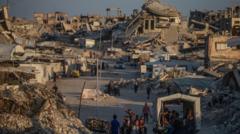
Netanyahu Rejects Trump's Gaza Peace Proposal
Israeli Prime Minister Benjamin Netanyahu has firmly declined the Trump Gaza plan, signaling a significant divergence from the former U.S. president's diplomatic initiative. The rejection comes as international efforts to broker peace in the region intensify, with the Trump Gaza plan facing substantial obstacles from Israeli leadership.
Core Demands for Military Presence
Netanyahu's administration maintains that Israeli defense forces must maintain a sustained presence in Gaza until Hamas undergoes complete disarmament. According to the Prime Minister, this condition is non-negotiable for any agreement moving forward. The government spokesperson emphasized that "genuine" disarmament represents the only acceptable threshold for military withdrawal considerations.
Security Requirements and Conditions
The Israeli government outlined several critical security benchmarks that must be satisfied before troop redeployment becomes feasible. These include verification mechanisms for weapons removal, cessation of militant activities, and international oversight arrangements. Officials stated that the current proposal fails to adequately address these fundamental security concerns affecting Israeli citizens.
International Diplomatic Response
The rejection of Trump's Gaza plan reflects broader tensions between U.S. diplomatic initiatives and Israeli security priorities. European nations and regional stakeholders have expressed concern about the diplomatic impasse, calling for renewed negotiations. However, Netanyahu's government has maintained its position regardless of international pressure.
Hamas Disarmament Framework
Netanyahu emphasized that authentic Hamas disarmament must include comprehensive weapons confiscation, dismantling of underground infrastructure, and elimination of militant capabilities. The Israeli leadership argues that partial measures or temporary agreements cannot guarantee regional stability or civilian safety in the long term.
Strategic Implications for Regional Peace
The Trump Gaza plan rejection creates significant obstacles for Middle Eastern peace efforts. Analysts suggest that without Israeli military withdrawal timeline commitments, Palestinian leadership faces domestic pressure to reject any settlement framework. This deadlock potentially prolongs humanitarian concerns affecting Gaza's civilian population.
International Community Involvement
Global powers including the United Nations and Arab League have urged both parties toward compromise. Nevertheless, Netanyahu's firm stance on Hamas disarmament suggests limited flexibility in upcoming negotiations. The Israeli government maintains that security considerations must supersede timeline pressures or external diplomatic timelines.
Future Negotiations and Prospects
Officials indicate that further discussions may occur only after Hamas demonstrates verifiable commitment to disarmament. The Trump Gaza plan's fate appears uncertain given the significant gaps between proposed solutions and Israeli security requirements. Observers note that the rejection fundamentally reshapes the diplomatic landscape for Gaza-related peace initiatives.
Humanitarian and Political Considerations
Palestinian authorities have criticized the rejection, arguing that indefinite military occupation prevents economic reconstruction and civilian normalcy. Meanwhile, Israeli security experts defend the position, contending that premature withdrawal risks renewed hostilities and weapons proliferation among militant groups.
Looking Forward
The coming months will determine whether alternative diplomatic channels can bridge the substantial divide between Netanyahu's security demands and international peace proposals. The Trump Gaza plan's rejection underscores the complexity of achieving comprehensive regional settlements when fundamental security disagreements persist between principal parties.


