Netanyahu's Gaza Rejection May Not End Trump's Peace Initiative
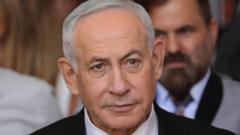
Trump Administration Remains Optimistic Despite Netanyahu's Initial Response
The Trump Gaza plan has encountered significant resistance from Israeli Prime Minister Benjamin Netanyahu, who publicly rejected the comprehensive 15-point initiative. However, sources within the Trump administration indicate they are not deterred by this initial opposition, interpreting the rejection as political posturing rather than a definitive stance on the matter.
Officials close to the negotiations suggest that the Trump Gaza plan represents a serious diplomatic effort aimed at resolving one of the Middle East's most intractable conflicts. The administration's measured response to Netanyahu's criticism suggests confidence that discussions will continue despite the public rebuff.
Campaign Rhetoric vs. Diplomatic Reality
Political analysts believe Netanyahu's rejection of the Trump Gaza plan must be understood within the context of Israel's domestic political landscape. With a general election approaching, the Israeli prime minister faces pressure from hardline coalition partners who oppose any significant territorial concessions or diplomatic compromises.
The Trump administration's assessment that this constitutes campaign rhetoric reflects their understanding of Israeli electoral politics. Officials have indicated they expect the conversation surrounding the Trump Gaza plan to evolve as political circumstances change and as formal negotiations progress beyond public statements.
The 15-Point Initiative Framework
The Trump Gaza plan comprises fifteen distinct points designed to address security concerns, humanitarian issues, and long-term political arrangements. These elements were reportedly developed through consultations with multiple stakeholders, including regional partners and international actors concerned with Middle Eastern stability.
Key aspects of the Trump Gaza plan focus on infrastructure development, security arrangements, and mechanisms for Palestinian self-governance. The proposal attempts to balance Israeli security requirements with Palestinian aspirations for self-determination and improved living conditions in Gaza.
Administration's Diplomatic Strategy
Rather than viewing Netanyahu's rejection as a dealbreaker, the Trump administration appears committed to a long-term diplomatic approach. Officials have suggested that initial objections do not necessarily predict the final outcome of negotiations regarding the Trump Gaza plan.
This strategy aligns with traditional diplomatic practices where initial public positions often differ from eventual negotiating positions. The administration's confidence suggests internal communications may already be addressing Netanyahu's stated concerns about specific provisions within the Trump Gaza plan.
Regional and International Implications
The Trump Gaza plan's reception extends beyond Israeli-Palestinian dynamics. Regional powers, including Egypt, Jordan, and Gulf states, have expressed varying degrees of interest in the proposal. International observers see the plan as potentially influencing broader Middle Eastern security arrangements and diplomatic relationships.
The Trump administration's persistence in promoting the Trump Gaza plan despite Netanyahu's public rejection demonstrates their assessment that the proposal addresses genuine needs and concerns across multiple stakeholder groups. This multi-lateral approach may ultimately prove more persuasive than bilateral Israeli-Palestinian negotiations alone.
Future Negotiations and Timeline
Political insiders suggest that formal engagement with the Trump Gaza plan will likely intensify after Israel's general election concludes. The electoral calendar provides a natural pause in high-level political negotiations, following which Netanyahu's position on the Trump Gaza plan may shift based on election results and coalition negotiations.
The Trump administration has reportedly indicated flexibility regarding implementation timelines and specific details within the Trump Gaza plan. This willingness to adapt certain provisions while maintaining core principles suggests the administration views the proposal as a starting point for serious negotiations rather than a take-it-or-leave-it ultimatum.
Conclusion
Netanyahu's rejection of the Trump Gaza plan appears to mark the beginning of extended negotiations rather than their conclusion. The Trump administration's composed response and continued commitment to the initiative suggest confidence in the proposal's potential to advance Middle Eastern peace efforts. As political circumstances evolve in Israel, official positions regarding the Trump Gaza plan may prove more flexible than current public statements indicate.


