NHS Weight-Loss Injections at Risk as GP Funding Withdrawn Across England
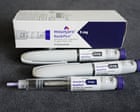
NHS Weight-Loss Injections Face Access Crisis as GP Funding Collapses
A significant investigation has exposed a critical shortage in NHS weight-loss injections availability, as integrated care boards across England systematically withdraw financial support for general practitioners providing these essential services. The groundbreaking inquiry conducted by leading healthcare publications reveals alarming trends that threaten patient access to potentially transformative weight-loss treatments, particularly Mounjaro, known scientifically as tirzepatide.
The findings paint a troubling picture for patients seeking NHS weight-loss injections through their local GP surgeries. According to the comprehensive investigation, the landscape of support for these vital medications has deteriorated substantially across England's healthcare infrastructure.
Widespread Funding Withdrawal Across Integrated Care Boards
The investigation specifically examined 36 integrated care boards throughout England, uncovering troubling patterns in how NHS weight-loss injections funding decisions have been made. Among the findings, 21 of these 36 integrated care boards have completely terminated their financial arrangements with general practices for prescribing and monitoring tirzepatide treatments.
Beyond those that have already withdrawn support, the situation becomes even more concerning when examining the broader picture. Nine additional integrated care boards never established local enhanced service agreements in the first place, meaning patients in these regions have faced limited access from the outset. Only four integrated care boards continue to maintain active funding arrangements for NHS weight-loss injections at present.
What This Means for Eligible Patients
Patients who meet the clinical criteria for receiving these potentially life-changing NHS weight-loss injections now face unprecedented barriers to accessing treatment. The withdrawal of GP funding represents more than a budgetary decision; it fundamentally alters the treatment landscape for individuals struggling with weight management issues.
Mounjaro, the proprietary name for tirzepatide, has demonstrated remarkable efficacy in supporting weight loss when combined with lifestyle modifications. For many patients, this medication represents a crucial therapeutic option that their GPs were previously equipped to prescribe and monitor appropriately.
The Role of Integrated Care Boards in Healthcare Delivery
Integrated care boards function as essential organizational structures within the NHS, responsible for strategic planning and resource allocation for their respective regions. These boards make critical decisions about which services receive enhanced support and funding. The decision by most integrated care boards to withdraw payment mechanisms for NHS weight-loss injections prescribing has profound implications for healthcare delivery.
Local enhanced services represent contractual arrangements between integrated care boards and general practices, specifying additional services beyond standard NHS provision. When these arrangements are terminated, GPs lose the financial incentive and framework to offer specialized prescribing and monitoring services, effectively removing these treatments from primary care settings.
Clinical Monitoring and Patient Safety Considerations
One of the most critical aspects of NHS weight-loss injections prescribing involves regular patient monitoring and follow-up care. When general practitioners provide these services, they offer crucial continuity of care, managing side effects and ensuring appropriate medication administration. The withdrawal of GP funding threatens this established care pathway.
Proper monitoring of tirzepatide therapy requires regular clinical assessments, baseline and periodic health measurements, and careful evaluation of treatment response. These monitoring activities demand the ongoing physician-patient relationships that general practice traditionally provides.
Looking Forward: The Impact on NHS Resources
The systematic withdrawal of funding for NHS weight-loss injections represents a significant policy shift with far-reaching consequences. While integrated care boards may view this as a necessary fiscal measure, the long-term implications for patient outcomes and NHS efficiency remain unclear. Patients unable to access these medications through primary care may seek alternative pathways or potentially delay treatment altogether.
Healthcare professionals and patient advocacy groups have expressed concern about these developments, noting that restricting access to evidence-based weight-loss treatments may ultimately cost the NHS more in managing obesity-related complications and comorbidities. The decision to withdraw GP funding thus requires careful consideration of both immediate budgetary concerns and broader public health outcomes.