Nigeria's 'Vulture King' Battles Species Decline in Africa
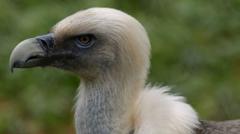
The Critical Role of Vultures in Nigeria's Ecosystem
Vulture conservation Nigeria has become an urgent environmental priority as populations of these magnificent birds continue to plummet across the country. While many communities view vultures with suspicion or hunt them for traditional practices, these raptors serve as nature's essential sanitation system. Their rapid decline threatens to destabilize entire ecological chains and public health systems across the region.
Vultures consume carrion that would otherwise decompose slowly, spreading disease and creating hazardous conditions. Their role in preventing the spread of pathogens makes them invaluable to human communities, yet their disappearance goes largely unnoticed by the general population. In Nigeria specifically, the situation has reached critical levels, with several species facing near-extinction status.
Understanding the Vulture King's Conservation Mission
At the forefront of reversing this alarming trend stands Nigeria's dedicated 'Vulture King,' a passionate conservationist whose tireless efforts have brought international attention to the plight of these birds. This conservation champion has dedicated years to understanding the complex factors driving vulture population decline and implementing strategies to protect remaining populations.
The Vulture King operates through community engagement, scientific research, and habitat protection initiatives. By working directly with local populations, this environmental leader educates communities about the ecological importance of vultures while addressing the cultural beliefs that lead to hunting and persecution. The approach combines traditional knowledge with modern conservation techniques, creating sustainable solutions that respect local customs while protecting wildlife.
Threats Facing Vulture Populations in Nigeria
Multiple interconnected threats have created a perfect storm for Nigeria's vulture species. Intentional hunting for ritual and traditional medicine practices represents one of the most significant challenges. Many communities believe vulture parts possess supernatural or medicinal properties, driving poaching activities across the country.
Beyond ritual hunting, vulture conservation Nigeria must address poisoning incidents, habitat destruction, and food scarcity. Agricultural changes and urbanization have eliminated critical feeding grounds where these birds once thrived. Additionally, pesticides and other toxic substances in carrion sources have poisoned numerous vultures, creating a secondary extinction pressure.
The Vulture King's Innovative Conservation Strategies
The Vulture King has pioneered several groundbreaking approaches to reverse species extinction trends. Community education programs form the foundation of these efforts, teaching local populations about vulture ecological functions and debunking myths surrounding these birds. By demonstrating tangible benefits of vulture populations, conservation workers have successfully reduced hunting in several communities.
Habitat restoration projects protect critical breeding and feeding sites essential for population recovery. The conservation champion has established protected areas where vultures can feed safely on livestock carcasses, providing reliable food sources while minimizing contact with poisoned animals. These feeding stations have proven particularly effective at stabilizing local populations.
Research initiatives track vulture movements, breeding success, and population dynamics across Nigeria. Scientific data collected by the Vulture King's team informs policy decisions and helps identify emerging threats requiring immediate intervention.
International Support and Recognition
Recognition of the Vulture King's work has attracted international conservation organizations, funding sources, and scientific partnerships. Global awareness about vulture conservation Nigeria has increased significantly, with international media highlighting the conservation champion's achievements and ongoing challenges.
These partnerships have strengthened the conservation movement by providing technical expertise, financial resources, and platform visibility. International environmental organizations now collaborate directly with the Vulture King on research projects and conservation initiatives spanning multiple African nations.
Measuring Success and Future Outlook
Early results from the Vulture King's conservation efforts show promise despite enormous challenges. In protected areas with active management, vulture populations have stabilized or increased modestly. Community acceptance of conservation initiatives has grown substantially as local residents witness improved environmental conditions and reduced disease prevalence.
The future of vulture conservation Nigeria depends on sustained commitment to these programs, continued community engagement, and expanding habitat protection efforts. The Vulture King's vision extends beyond Nigeria, advocating for regional cooperation across African nations facing similar vulture population crises. Success requires ongoing financial support, scientific advancement, and cultural transformation regarding how communities value these essential birds.


