Oil Tanker Attacks in Middle East Reach Peak Crisis Levels
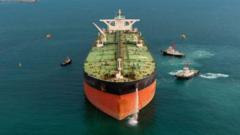
Oil Tanker Attacks in Middle East Escalate to Critical Levels
Oil tanker attacks in Middle East waters have reached their most dangerous phase since the onset of regional hostilities, according to maritime security specialists and industry analysts. The escalating threat to commercial shipping has created an unprecedented vulnerability for vessels navigating critical trade corridors, forcing operators to reassess their transit strategies and implement enhanced protective measures.
The intensification of attacks targeting oil tanker infrastructure represents a substantial shift in maritime security dynamics. Industry experts emphasize that oil tanker attacks in Middle East zones have fundamentally altered the operational landscape for international shipping companies, creating ripple effects throughout global energy markets and supply chain management.
Alternative Routes Under Increasing Pressure
Shipping companies attempting to utilize alternative routes have encountered mounting obstacles and security threats. The diversion of vessel traffic away from traditional shipping lanes has created congestion and logistical challenges across secondary maritime pathways. These rerouting efforts, while intended to enhance safety, have instead introduced additional complications for fleet operators navigating the region.
Maritime analysts point out that alternative shipping routes previously considered safer options now face comparable levels of vulnerability. The expansion of threat zones has compressed the available options for tanker operators, forcing increasingly difficult decisions regarding transit timing and vessel routing protocols.
Impact on Global Energy Security
The escalating situation poses significant implications for worldwide energy stability and oil price volatility. Insurance premiums for vessels operating in affected waters have surged substantially, reflecting the heightened risk assessments by underwriters and security professionals. Shipping companies operating in these zones face mounting financial pressures as operating costs continue to escalate due to enhanced security protocols and insurance rate increases.
Oil tanker attacks in Middle East regions directly influence global petroleum markets, affecting pricing mechanisms and supply availability across international economies. Energy-dependent nations have expressed growing concern regarding the sustainability of current supply chain operations and the potential for extended market disruptions.
Security Analyst Perspectives and Assessments
Expert analysts indicate that the current threat environment represents a qualitative escalation beyond previous security challenges. The complexity of the situation stems from multiple concurrent risk factors, including geopolitical tensions, military posturing, and asymmetric maritime threats that defy conventional security countermeasures.
Security consultants emphasize that traditional protective measures prove insufficient against contemporary threat vectors. The evolution of attack methodologies requires shipping companies to adopt comprehensive security frameworks incorporating advanced surveillance technologies, real-time threat intelligence sharing, and coordinated international response protocols.
Operational Challenges for Shipping Companies
Commercial maritime operators face unprecedented operational constraints when planning vessel transits through Middle East corridors. Decision-making processes now incorporate extensive risk assessments, requiring maritime managers to evaluate multiple variables including threat intelligence updates, weather conditions, and geopolitical developments simultaneously.
Fleet managers have implemented revised operational procedures designed to minimize exposure to identified threat zones. These adaptations include modified scheduling arrangements, adjusted voyage routing, and enhanced crew safety protocols. The cumulative effect of these modifications has increased operational complexity and reduced scheduling predictability for shipping companies.
Future Outlook and Industry Response
The maritime industry anticipates continued challenges throughout the foreseeable future absent significant geopolitical developments. International stakeholder cooperation has intensified, with shipping organizations, government authorities, and international maritime bodies coordinating enhanced response mechanisms.
Industry observers suggest that oil tanker attacks in Middle East waterways will continue shaping maritime policy and commercial operations until underlying regional tensions achieve resolution. The situation demands sustained attention from policymakers and security professionals committed to stabilizing critical international shipping infrastructure and protecting global energy security interests.


