Pakistan Hospital Fire Kills 14 Infants: Security Dispute Emerges
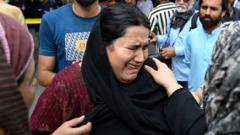
Tragedy Strikes Pakistani Neonatal Ward
A catastrophic fire incident at a Pakistan hospital has claimed the lives of 14 infants, prompting urgent investigations into safety protocols and security measures within the healthcare facility. The devastating incident has raised serious questions about how such a tragedy could occur in a modern medical institution, with particular focus on ward access control and emergency procedures.
Security Door Controversy
Following the Pakistan hospital fire that claimed 14 young lives, conflicting accounts have emerged regarding the operational status of the neonatal ward's entry point. Eyewitnesses present at the facility during the incident have alleged that the door to the ward was secured and locked, potentially impeding evacuation efforts and preventing rapid access for emergency personnel responding to the blaze.
Hospital administrators have disputed these assertions, providing a contrasting narrative about security arrangements in the affected area. According to the hospital's official statement to international media outlets, the ward entrance was not physically locked during the incident. Instead, the facility maintains that trained security personnel were stationed at the doorway to oversee access and monitor who entered and exited the neonatal unit.
Hospital's Official Response
The medical institution emphasized that security measures were implemented to safeguard the vulnerable infant patients within the ward rather than to restrict movement during emergencies. The hospital's explanation suggests that personnel were positioned there as part of standard protective protocols, maintaining a balance between security and accessibility.
This distinction between witness accounts and hospital statements has become central to understanding how the fire spread and why rescue operations faced potential obstacles during the critical early moments of the emergency.
Investigation Into Safety Standards
The Pakistan hospital fire incident has prompted authorities to conduct comprehensive reviews of existing safety standards in medical facilities nationwide. Regulators are examining whether current protocols adequately address rapid evacuation procedures, fire containment systems, and emergency access arrangements in neonatal units where patients cannot self-evacuate.
Officials are scrutinizing the adequacy of emergency lighting, alarm systems, and staff training programs designed to respond to such catastrophic events. The focus extends beyond this individual facility to broader questions about compliance with international healthcare safety standards across Pakistan's medical infrastructure.
Witness Testimonies and Concerns
Multiple eyewitnesses present at the facility have provided detailed accounts to investigators regarding the progression of events. Their descriptions of the fire's rapid spread and the difficulty in accessing the ward have underscored concerns about whether all available exits were immediately accessible and whether security protocols inadvertently contributed to the tragedy.
Some witnesses have indicated that confusion arose regarding proper evacuation routes and access points, suggesting that the presence of security personnel, regardless of whether physical locks were engaged, may have created barriers to swift action during the emergency.
Broader Implications for Healthcare Security
This tragic incident at the Pakistan hospital fire site has sparked wider debate within the healthcare sector regarding the appropriate balance between security measures and emergency accessibility. Medical institutions worldwide face similar challenges in protecting vulnerable patient populations while maintaining the flexibility required for rapid response during crises.
Healthcare administrators are now reconsidering how security protocols can be implemented without compromising emergency response capabilities. The Pakistan hospital tragedy serves as a sobering reminder that security measures, while necessary, must be carefully designed to prevent unintended consequences during life-threatening situations.
Impact on Medical Infrastructure Policy
Government authorities and health regulators across Pakistan are expected to issue updated guidelines addressing emergency protocols in neonatal and intensive care units. These directives will likely mandate clearer procedures for door access, staff responsibilities during emergencies, and regular safety drills to ensure all personnel understand their roles when crises occur.
The Pakistan hospital fire incident will undoubtedly influence policy decisions affecting how medical facilities across the country design, implement, and maintain safety and security systems. Enhanced training requirements and regular inspections may become mandatory components of hospital licensing standards.
Conclusion
The devastating fire that claimed 14 infant lives at the Pakistan hospital represents a critical juncture for healthcare safety evaluation. Whether the ward door was locked or merely guarded, the tragedy underscores the necessity for comprehensive emergency preparedness in medical facilities. Moving forward, authorities must ensure that security measures support rather than hinder life-saving emergency responses in healthcare environments where every second counts.


