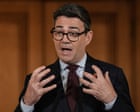
PM Dismisses EU Single Market Entry After Burnham Calls for Referendum

Government Downplays EU Single Market Prospects
The EU single market referendum debate has intensified following comments from senior Labour figures regarding Britain's potential closer alignment with European institutions. During a significant policy address at Downing Street, the government has sought to temper expectations about any imminent changes to the UK's relationship with Brussels, signaling that an EU single market entry remains a distant prospect rather than an immediate policy objective.
The prime minister has previously indicated willingness to foster dialogue on strengthening Britain's economic and political ties with the European Union. However, recent statements from Number 10 suggest a more cautious approach, with officials emphasizing the complexity of any such transition and the need for comprehensive national consultation before pursuing dramatic policy shifts.
Burnham's Referendum Proposal Sparks Debate
Greater Manchester's political leadership has proposed that any decision regarding EU single market participation should require formal public endorsement through a national referendum. This position represents a significant intervention in ongoing discussions about Britain's post-Brexit economic strategy and future continental partnerships. The suggestion underscores deeper divisions within the government coalition regarding the pace and scope of European reintegration.
The proposal has generated considerable discussion among Westminster commentators and policy advisors, with some viewing it as a necessary democratic safeguard while others argue it could complicate already contentious negotiations. Government spokespersons have acknowledged the complexity of the issue without committing to any specific timeline for such a constitutional proceeding.
Government Tackles Multiple Policy Priorities
Alongside EU market discussions, the government convened a major summit addressing homelessness and rough sleeping at its Westminster headquarters. Officials presented economic arguments suggesting that proactive intervention in homelessness represents more cost-effective governance than allowing the crisis to persist unchecked. The rationale centered on reducing expensive emergency healthcare usage and hospital admissions among vulnerable populations.
Senior government figures articulated that rough sleeping generates substantial hidden costs throughout the public sector, particularly within the National Health Service through repeated accident and emergency attendances. This fiscal perspective frames homelessness intervention not primarily as welfare expenditure but as prudent financial management that protects the broader public purse.
Pension Policy and Tax Threshold Changes
The government has signaled significant modifications to state pension arrangements expected within the current fiscal period. Official calculations indicate state pension payments will increase by substantial amounts, with projections suggesting approximately £489 additional annual payments for eligible retirees. This adjustment would elevate the standard pension to approximately £13,036 annually, representing growth of roughly 3.9 percent year-on-year.
However, this seemingly positive development carries unintended consequences for certain vulnerable populations. The pension increase will push approximately one million low-income pensioners above the £12,570 personal income tax allowance threshold, meaning these individuals would enter the income tax system despite receiving only modest retirement income. Tax specialists have criticized this policy outcome, noting it effectively reduces the real-world benefit of pension increases for this demographic group.
Budget Week Announcements Anticipated
Government announcements scheduled for the coming week are expected to clarify pension policy details and potentially address broader fiscal challenges. Finance officials are anticipated to provide formal confirmation of pension adjustment figures and potentially announce accompanying policy measures designed to mitigate negative effects on vulnerable pensioner populations.
The convergence of these policy discussions—encompassing EU market integration, homelessness intervention, and pension policy—reflects the government's attempt to balance multiple competing priorities within significant fiscal and political constraints. The coming days are likely to generate further clarification on each of these substantial policy areas.