Rising Energy Bills: Effective Strategies to Reduce Your Costs
Understanding the Current Energy Bill Crisis
Rising energy bills have become a significant concern for households worldwide, affecting family budgets and forcing consumers to reconsider their spending habits. The surge in rising energy bills reflects broader economic pressures and increased demand for power consumption, making it essential for households to explore cost-saving opportunities.
Energy providers continue to adjust pricing structures, and consumers are left searching for effective strategies to manage their expenses. While rising energy bills may seem inevitable, numerous practical approaches can help households substantially reduce their monthly utility costs without compromising comfort or quality of life.
Energy Audit: The First Step to Savings
Conducting a comprehensive energy audit represents one of the most effective initial steps in addressing rising energy bills. This assessment involves examining how your home uses energy, identifying inefficiencies, and pinpointing areas where unnecessary consumption occurs. Many energy companies offer free or subsidized audit services to residential customers, making this an accessible starting point for any household.
During an energy audit, professionals evaluate insulation quality, window sealing, appliance efficiency, heating and cooling systems, and overall structural integrity. The results provide valuable insights into which improvements will yield the greatest returns on investment and most significantly impact rising energy bills.
Smart Thermostat Installation and Management
Installing a smart thermostat represents a modern solution to combat rising energy bills effectively. These devices learn your household's temperature preferences and adjust heating and cooling automatically based on occupancy patterns and weather conditions. Studies demonstrate that smart thermostats can reduce energy consumption by 10-15% annually, translating to substantial savings on monthly utility statements.
Optimal Temperature Settings
Maintaining appropriate temperature settings throughout the year can directly influence rising energy bills. During winter months, setting your thermostat to 68°F (20°C) when home and lower when away creates meaningful savings. Similarly, in summer, maintaining 78°F (26°C) during occupied hours and higher temperatures when absent reduces cooling demands significantly.
Appliance Efficiency and Replacement Strategies
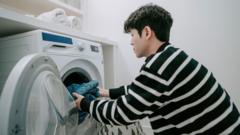
Older household appliances consume substantially more energy than modern, energy-efficient models. If your refrigerator, washing machine, dishwasher, or water heater is over ten years old, upgrading to ENERGY STAR certified alternatives can dramatically lower rising energy bills. These appliances meet strict efficiency standards established by environmental protection agencies and typically consume 20-50% less energy than older models.
Budget-conscious households should prioritize replacing the most frequently used appliances first, as these replacements generate the quickest return on investment. Many utility companies offer rebate programs that offset the initial purchase cost of energy-efficient appliances, making upgrades more financially accessible.
Lighting Upgrades and Behavioral Changes
Transitioning from traditional incandescent bulbs to LED lighting fixtures reduces energy consumption by up to 80%. While LED bulbs require higher initial investment, their extended lifespan (25,000+ hours) and minimal energy draw make them economically superior over time. This simple upgrade contributes meaningfully to reducing rising energy bills throughout your entire home.
Beyond equipment changes, behavioral modifications prove equally important. Implementing practices such as turning off lights when leaving rooms, utilizing natural daylight whenever possible, and reducing phantom power drain from unused electronics all contribute to lower overall consumption and reduced rising energy bills.
Insulation and Weatherization Improvements
Poor insulation and air leaks represent major contributors to rising energy bills, particularly in older homes. Addressing gaps around windows, doors, electrical outlets, and pipes prevents heated or cooled air from escaping unnecessarily. Adding attic insulation, sealing basement cracks, and installing weatherstripping are cost-effective improvements that significantly reduce heating and cooling demands.
Government programs and utility rebates frequently support weatherization projects, making these improvements more affordable while substantially lowering rising energy bills during harsh weather seasons.
Water Heating Optimization
Water heating typically accounts for 15-20% of household energy consumption. Installing low-flow showerheads, insulating water pipes, reducing shower duration, and lowering water heater temperature to 120°F (49°C) collectively reduce hot water usage. These modifications address rising energy bills while promoting water conservation and environmental sustainability.
Renewable Energy Consideration
Solar panel installation represents a long-term investment that can virtually eliminate rising energy bills for many households. Federal tax credits, state incentives, and declining equipment costs make solar energy increasingly accessible. Even modest residential solar systems generate significant savings throughout their 25+ year lifespan.
For those unable to install solar panels, community solar programs and renewable energy purchasing options through utilities provide alternative methods to offset rising energy bills while supporting clean energy development.
Conclusion
Addressing rising energy bills requires a multifaceted approach combining technology upgrades, behavioral changes, and structural improvements. By implementing these strategies systematically, households can achieve substantial and lasting reductions in energy expenses while improving home comfort and environmental responsibility.


