Summer Work Attire: Can Your Boss Control What You Wear?
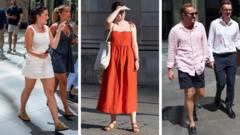
Understanding Summer Workplace Dress Code Regulations
The question of whether your employer can dictate your summer wardrobe choices remains one of the most contested issues in modern workplaces. Summer work attire policies vary significantly across industries, companies, and regions, creating confusion about employee rights and employer expectations. While many professionals wonder if their boss has the authority to regulate shorts, sleeveless tops, and open sandals during warmer months, the answer is more nuanced than a simple yes or no.
Legal Authority of Employers Over Dress Codes
Employers generally possess the legal right to establish and enforce workplace dress code requirements, including those specific to summer work attire. In most jurisdictions, companies can set reasonable standards for professional appearance without violating labor laws. However, this authority comes with important limitations. Dress codes cannot be discriminatory based on protected characteristics such as gender, race, religion, or disability. Additionally, any summer work attire policy must be clearly communicated to all employees and applied consistently.
What Constitutes a Reasonable Dress Code
A reasonable dress code for summer typically considers the nature of the job, industry standards, and customer-facing responsibilities. Positions in finance, law, or corporate management often maintain stricter summer work attire standards than creative industries or remote positions. The reasonableness test requires that policies serve a legitimate business purpose, whether maintaining client relationships, ensuring safety, or upholding brand identity. Many employers now recognize that rigid summer work attire rules can impact employee satisfaction and retention.
Common Summer Workplace Dress Code Policies
Most organizations implement tiered approaches to summer work attire rather than absolute prohibitions. Many allow casual Fridays during summer months or implement "smart casual" policies that permit chinos and collared shirts without requiring full business formal wear. Some companies explicitly prohibit specific items—such as items too revealing or rubber flip-flops—while remaining silent on shorts or sleeveless tops. Progressive organizations increasingly offer "dress for your day" policies that give employees autonomy over their summer work attire based on their scheduled meetings and tasks.
Industry-Specific Summer Work Attire Standards
Tech and creative industries typically adopt more relaxed summer work attire standards, where shorts and casual tops are widely accepted. Conversely, client-facing roles in banking, hospitality, and professional services maintain stricter standards. Healthcare workers often have uniform requirements for summer work attire due to safety and hygiene considerations. Understanding your specific industry norms helps contextualize your employer's summer work attire policies and expectations.
Employee Rights and Workplace Flexibility
Employees have the right to question potentially unreasonable summer work attire policies. If a dress code appears arbitrary, overly restrictive, or applied inconsistently, raising concerns through proper channels is appropriate. Many companies now conduct summer work attire policy reviews to ensure they remain competitive in attracting talent and aligned with contemporary workplace cultures. Documentation of the policy in employee handbooks provides clarity and protects both employers and employees from misunderstandings.
Documentation and Communication Best Practices
Clear written communication about summer work attire expectations prevents conflicts and confusion. Employers should specify what is acceptable—mentioning shorts, sleeveless garments, and footwear explicitly—rather than relying on ambiguous terms like "professional." Employees benefit from requesting clarification if summer work attire guidelines remain unclear, ensuring they can make appropriate clothing choices without risking disciplinary action.
Balancing Comfort and Professionalism During Summer
The challenge of maintaining professional summer work attire while staying cool drives many workplace discussions. Strategic fabric choices—breathable cotton, lightweight linen blends, and moisture-wicking materials—allow employees to respect dress codes while remaining comfortable. Layering with light cardigans or blazers provides flexibility, allowing adaptation as office temperatures fluctuate. Professional summer work attire need not sacrifice comfort if approached thoughtfully.
Style Tips for Compliant Summer Workplace Fashion
Neutral-colored lightweight trousers paired with sleeveless shells and structured cardigans create polished summer work attire. Closed-toe professional sandals or loafers meet most summer work attire requirements while maintaining comfort. A-line midi skirts and linen pants offer breathability without compromising professionalism. Investing in quality, versatile pieces creates multiple acceptable summer work attire combinations without excessive shopping.
Moving Forward: Workplace Culture Evolution
Progressive companies recognize that overly restrictive summer work attire policies reflect outdated workplace cultures. Remote work trends and generational shifts have prompted many organizations to reevaluate summer work attire standards. Forward-thinking employers balance legitimate business needs with employee autonomy, recognizing that reasonable flexibility on summer work attire policies improves morale and productivity. As workplace dynamics continue evolving, the conversation around summer work attire will likely shift toward greater flexibility and trust in professional judgment.