Trump Administration Allocates $1.2B to German Energy Firm for Wind Project Cancellation
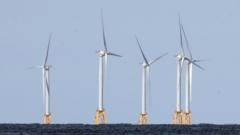
Trump Administration's Controversial $1.2 Billion Wind Project Settlement
The Trump administration has agreed to a significant financial settlement involving a major wind project cancellation with German energy corporation RWE. This $1.2 billion wind project cancellation represents another decisive action in the administration's broader strategy to curtail renewable energy development across American territories.
According to sources familiar with the arrangement, RWE will receive the substantial payment in exchange for halting multiple wind energy initiatives previously scheduled for development. This agreement marks a continuation of the administration's demonstrated commitment to reducing wind energy expansion, a sector that has faced consistent criticism from the sitting president and his policy advisors.
Understanding the RWE Agreement Details
The financial transaction between the federal government and RWE constitutes one of several prominent settlements designed to terminate wind energy projects nationwide. The German multinational corporation, which operates significant renewable energy assets globally, will cease its planned wind development initiatives in exchange for the substantial compensation package.
This wind project cancellation follows previous similar arrangements where the administration has incentivized companies to abandon renewable energy ventures. The financial commitments demonstrate the administration's willingness to invest considerable resources in redirecting the nation's energy trajectory away from wind-based generation systems.
Broader Pattern of Wind Energy Project Terminations
The RWE settlement is not an isolated incident but rather reflects a consistent pattern emerging across the Trump administration's energy policies. Multiple wind energy ventures have been cancelled or significantly delayed through various regulatory and financial mechanisms implemented over recent months.
Energy analysts note that this wind project cancellation strategy represents a dramatic reversal from previous administrations' renewable energy investments. The administration has systematically worked to dismantle or redirect programs that previously supported wind energy development, viewing such initiatives as economically inefficient and counter to broader policy objectives.
Trump's Historical Opposition to Wind Energy
The president's well-documented skepticism toward wind energy has profoundly influenced policy decisions throughout his administration. His public statements regarding wind turbines and their environmental impact have consistently shaped executive decisions concerning renewable energy projects.
The wind project cancellation agreements serve as tangible expressions of this ideological position. By allocating federal resources to prevent wind energy expansion, the administration translates rhetorical opposition into concrete policy actions affecting industry operations and development timelines.
Industry and Economic Implications
The financial implications of this wind project cancellation extend beyond the immediate settlement costs. The decision affects employment prospects in renewable energy sectors, supply chain operations for wind turbine components, and broader investment confidence in American wind energy markets.
RWE's decision to accept the $1.2 billion settlement rather than proceed with development suggests that regulatory uncertainties and policy hostility toward wind projects have fundamentally altered the investment calculus for international energy companies operating within the United States.
Looking Forward: Future Energy Policy Direction
The wind project cancellation pattern suggests that additional similar agreements may emerge as the administration continues implementing its energy agenda. Federal resources previously allocated to renewable energy development face reallocation toward alternative energy sources favored by administration officials.
Industry observers anticipate that this wind project cancellation precedent will influence how multinational energy corporations approach future American renewable energy investments, potentially discouraging new ventures in this sector during the administration's tenure.


