Trump Backs Irish Unification: 'May As Well Happen Now'
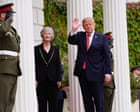
Trump Endorses Irish Unification During Republic Visit
During a significant two-day visit to the Republic of Ireland, US President Donald Trump made a striking statement regarding Irish unification, declaring he would welcome the prospect enthusiastically. The American leader's unexpected intervention on the contentious political matter has generated considerable attention and swift responses from British officials and Northern Ireland's unionist community. Trump's remarks suggest a willingness to support constitutional changes on the island of Ireland, marking a notable moment in his diplomatic engagement with the nation.
Presidential Remarks on the Future of Ireland
Trump conveyed his position with remarkable directness, asserting that Irish unification represents an inevitable outcome that should materialize sooner rather than later. His statement that the process "may as well happen now" reflects a pragmatic perspective on the island's political future. The president's comments arrived without prior warning, catching observers and political analysts by surprise as he visited the Republic at the beginning of his Irish tour on Saturday.
Context of the Presidential Intervention
The US president's endorsement of constitutional reform for Ireland carries symbolic weight in international relations. His willingness to express support for Irish unification represents an unusual diplomatic position for an American leader, given the traditional relationship between the United States and the United Kingdom. Trump's intervention has reignited discussions about the feasibility and timeline of potential constitutional changes affecting the entire island.
International Response to Trump's Statement
The UK government responded promptly to Trump's remarks, issuing a swift rebuttal that underscored British sovereignty and the existing constitutional arrangements. Northern Ireland's unionist leadership also moved quickly to distance themselves from the American president's commentary, emphasizing their political commitment to maintaining the current union with Great Britain. These reactions demonstrate the sensitivity surrounding discussions of Irish unification within British and unionist political circles.
Unionist Political Concerns
Leaders representing unionist interests in Northern Ireland have historically opposed constitutional changes that would alter the island's political configuration. Their rapid response to Trump's statement reflects deep-seated concerns about external pressure on such fundamental constitutional matters. The intervention by a sitting US president introduces an additional dimension to ongoing domestic political debates within Northern Ireland regarding the province's constitutional future.
Broader Implications for Irish Politics
Trump's unexpected advocacy for Irish unification carries implications that extend beyond ceremonial diplomatic exchanges. His remarks contribute to the ongoing conversation about the island's political trajectory and the potential timeline for constitutional change. The statement positions the US president alongside those who view Irish unification as an eventual inevitability rather than merely a theoretical political objective.
The Inevitability Argument
By framing Irish unification as something that will eventually occur, Trump adds weight to arguments made by unification advocates who contend that constitutional change represents a natural progression. His assertion that the process should accelerate reflects a particular perspective on the island's political destiny and the advantages of addressing such matters proactively rather than allowing them to persist as ongoing sources of political tension.
Historical Context of Irish Unification Debates
The question of Irish unification has remained a central issue in Irish and British politics for generations. Constitutional arrangements established over a century ago have endured despite periodic calls for revision. Trump's intervention injects contemporary American political perspective into discussions traditionally dominated by Irish, British, and Northern Irish voices.
The president's visit to Ireland and his remarks about Irish unification represent a moment of notable diplomatic engagement with the nation. His willingness to express support for constitutional change, while controversial in certain quarters, demonstrates the continued international interest in Ireland's political configuration and future.
Looking Forward
As discussions about Irish unification continue within political and civil society circles on the island, Trump's comments will likely feature prominently in subsequent debates. Whether his intervention influences domestic political trajectories or remains a passing moment in international commentary remains uncertain. What appears clear is that Irish unification continues to generate attention and discussion at multiple levels of international political engagement.