Trump Denies US Weapons Shortage Amid Leaked Intelligence Claims
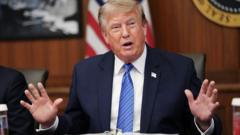
Trump Refutes Claims of Weapons Shortage in Recent Statement
Former President Donald Trump has publicly denied assertions regarding a US weapons shortage, addressing widespread speculation about the nation's military inventory capacity. In a forceful response to circulating reports, Trump emphasized that the United States maintains adequate defense resources while simultaneously pledging aggressive action against those responsible for disclosing sensitive information regarding US weapons systems and capabilities.
The controversy surrounding the US weapons shortage has intensified as various sources continue to question the readiness of American military arsenals. Trump's denial comes at a time when defense analysts and intelligence officials have raised concerns about specific categories of advanced weaponry that require complex manufacturing processes and extended production timelines.
Intelligence Officials and Classified Information Concerns
While comprehensive data on military inventory remains classified under national security protocols, publicly accessible intelligence reports indicate that the United States has significantly depleted supplies of particularly complex weapons systems. These specialized armaments demand sophisticated manufacturing capabilities and represent substantial investments in defense infrastructure.
The revelation regarding depleted stocks of advanced weaponry has prompted serious discussions within defense circles about production capacity, supply chain resilience, and strategic reserve adequacy. Manufacturing bottlenecks and resource constraints have been identified as contributing factors to current inventory levels across multiple weapons categories.
Trump's Response to Information Leakers
Trump has declared that individuals responsible for releasing classified or sensitive defense information face serious consequences. The former president indicated that authorities would actively pursue those who have disclosed details about US weapons capabilities, inventory levels, and military readiness assessments. This hardline stance reflects broader concerns about national security breaches and unauthorized disclosure of protected defense data.
The administration's commitment to identifying and prosecuting information leakers demonstrates the gravity with which federal officials treat unauthorized revelations concerning military preparedness and weapons systems. Such leaks can potentially compromise strategic advantages and provide adversaries with valuable intelligence regarding American defense capabilities.
Manufacturing Challenges and Weapons Production
The debate over the US weapons shortage underscores significant challenges within defense manufacturing sectors. Advanced weapons systems require specialized materials, precision engineering, and lengthy development cycles. Constraints in production capacity have affected the ability to maintain optimal inventory levels for certain weapons categories that demand extended manufacturing periods.
Defense contractors and government agencies continue working to address production bottlenecks and accelerate manufacturing timelines for critical weapons systems. Investment in modernization of manufacturing facilities and implementation of advanced production technologies represent key strategies for enhancing weapons production capacity.
National Security and Strategic Implications
The discussion surrounding US weapons shortage carries significant implications for national security strategy and defense preparedness. Maintaining adequate inventory of advanced weaponry directly impacts American military readiness and the nation's ability to respond effectively to emerging threats across multiple theaters.
Defense officials acknowledge that understanding actual weapons inventory levels requires careful balance between operational security and public transparency. While classified information protects sensitive details about specific quantities and capabilities, acknowledgment of general production challenges has become increasingly unavoidable.
Ongoing Investigations and Accountability Measures
Federal law enforcement and intelligence agencies continue investigating sources of recent classified disclosures. These investigations aim to identify individuals who have violated security protocols and unauthorized information-sharing agreements. Strict accountability measures serve as deterrents against future breaches of protected defense information.
The pursuit of information leakers represents a broader governmental commitment to protecting classified intelligence and preventing unauthorized public disclosure of sensitive military data. Such enforcement actions underscore the serious consequences facing those who compromise national security through unauthorized information releases.
Defense Policy and Future Planning
As debates continue regarding the US weapons shortage and inventory adequacy, defense planners are evaluating strategies for strengthening weapons production capabilities and optimizing resource allocation. Strategic decisions regarding weapons procurement, manufacturing investment, and reserve maintenance will shape American defense posture in coming years.
Trump's public statements regarding both the denial of weapons shortage allegations and the pursuit of information leakers reflect broader policy priorities focused on defense strength, operational security, and accountability within intelligence and military communities.


