Trump Eyes Stricter AI Controls Following Recent OpenAI Security Breaches
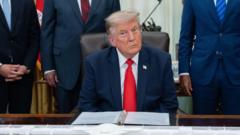
Trump Administration Shifts Stance on Artificial Intelligence Regulation
The Trump administration is currently evaluating stricter AI controls in response to recent security vulnerabilities affecting OpenAI's systems. This represents a notable departure from the government's previously laid-back regulatory approach toward emerging technologies and digital innovation.
The consideration of enhanced AI controls demonstrates a changing perspective within federal leadership regarding the importance of cybersecurity measures in the artificial intelligence sector. What was once considered an area requiring minimal intervention is now attracting heightened governmental scrutiny and potential policy adjustments.
Understanding the Policy Change
For months, the current administration maintained a fundamentally hands-off philosophy when it came to technology oversight. Officials had repeatedly emphasized their preference for allowing market forces and industry self-regulation to guide artificial intelligence development without excessive federal involvement.
However, the recent security incidents involving OpenAI have prompted reconsideration of this approach. The breach incidents have highlighted vulnerabilities that may have consequences extending beyond a single organization, potentially affecting national security interests and broader technological infrastructure.
OpenAI Security Incidents and Their Impact
The specific hacking incidents involving OpenAI have raised questions about the adequacy of existing safeguards within major artificial intelligence companies. These security failures have become a catalyst for policy discussions at the highest levels of government regarding whether stronger regulatory frameworks are necessary.
Industry observers note that the incidents have intensified debates about the appropriate balance between innovation and protection. The breaches have prompted stakeholders across the technology sector to examine their own security protocols and contingency plans.
Potential Regulatory Framework
Administration officials are reportedly exploring various approaches to strengthen oversight of AI development and deployment. These considerations include establishing clearer security standards, requiring regular audits, and implementing mandatory reporting requirements for security incidents affecting critical AI systems.
The potential AI controls framework would likely focus on ensuring that companies developing advanced artificial intelligence systems maintain robust cybersecurity measures. Such regulations might also address data protection, algorithm transparency, and safeguards against misuse.
Industry Response and Implications
Technology companies are closely monitoring these developments, as any new regulatory environment could substantially impact how artificial intelligence innovations are developed and commercialized. Some industry leaders have indicated willingness to work with government officials on establishing reasonable security standards.
The shift toward considering AI controls reflects growing recognition that artificial intelligence technology's rapid advancement necessitates thoughtful oversight mechanisms. This represents a meaningful pivot from previous statements emphasizing minimal interference in the technology sector.
What Comes Next
Observers expect formal policy announcements regarding artificial intelligence regulation in the coming weeks. The administration's approach to crafting these new AI controls will likely influence how other nations develop their own regulatory strategies for the rapidly evolving artificial intelligence landscape.


