Trump Reduces Military Drills With South Korea Following Iran Conflict Decision
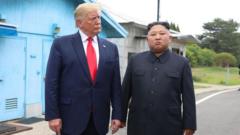
Trump Announces Significant Reduction in Military Exercises with South Korea
The United States will substantially scale back its military drills with South Korea, according to statements made by the Trump administration. This decision regarding military drills with South Korea comes as the nation maintains its position outside the ongoing Iran conflict, marking a significant shift in regional defense policy and international military cooperation.
President Trump explained that the reduction in military drills with South Korea stems from his administration's focus on maintaining positive diplomatic relations with North Korean leadership. The decision reflects a broader strategic approach that prioritizes direct negotiations and dialogue over large-scale military demonstrations on the Korean peninsula.
Diplomatic Relations Drive Military Strategy Changes
Trump emphasized his "very good relationship" with North Korea's leader as a central factor influencing this major decision. The administration views this relationship as an opportunity to pursue alternative pathways toward stability in the region, moving away from the traditional posture of conducting large-scale joint military exercises.
The scaling back of military drills with South Korea represents a departure from decades of established defense protocols. These exercises have historically served as demonstrations of US commitment to South Korean security and as training opportunities for Allied forces. The reduction signals a recalibration of military strategy in East Asia during a period of heightened international tensions.
Regional Security Implications
South Korea's strategic position during the Iran tensions has remained neutral, with the nation focusing on its own peninsula security concerns rather than becoming involved in Middle Eastern conflicts. This stance aligns with Trump's broader foreign policy approach of reducing US military commitments in multiple global regions simultaneously.
The decision to reduce military drills with South Korea does not indicate a withdrawal of US military presence from the peninsula entirely. Rather, it represents a more selective approach to military coordination, with the administration suggesting that smaller-scale, targeted exercises may continue alongside intensified diplomatic engagement with North Korea.
Historical Context of Korean Peninsula Military Exercises
For decades, joint military drills with South Korea have been a cornerstone of US defense strategy in East Asia. These exercises typically involve thousands of troops from both nations and serve multiple purposes: maintaining readiness, demonstrating alliance strength, and conducting joint training operations. The reduction in these military drills with South Korea marks a notable shift from this long-established pattern.
Previous administrations consistently conducted large-scale annual exercises, viewing them as essential to deterring aggression and reassuring South Korean allies of American commitment. The Trump administration's decision challenges this conventional approach, suggesting that diplomatic channels and relationship-building with North Korea offer a more promising path to regional stability than traditional military posturing.
Trump's North Korea Strategy
The president's confidence in his relationship with North Korean leadership has been a defining feature of his foreign policy approach to the region. Trump has pursued multiple summits and diplomatic engagements with North Korea's leadership, attempting to negotiate denuclearization and establish unprecedented dialogue channels. The reduction in military drills with South Korea reflects confidence in this diplomatic strategy.
The administration believes that scaling back military exercises demonstrates good faith in negotiations with North Korea and removes potential obstacles to continued diplomatic progress. This approach represents a calculated gamble that positive relationships and negotiation can achieve security objectives more effectively than military demonstrations.
International Implications and Broader Context
The decision occurs within a broader context of reduced US military commitments globally. With resources focused on containing potential involvement in Iran tensions, the Trump administration appears to be consolidating military presence and reducing expenditures on large-scale international exercises. The reduction in military drills with South Korea fits into this wider pattern of strategic military reallocation.
South Korea's government has accepted this shift in policy, though defense officials continue monitoring the evolving security situation on the peninsula. The nation maintains its own military readiness measures independent of joint exercises, ensuring that the reduction in drills does not compromise its defensive capabilities.
Future Military Cooperation Framework
Moving forward, military drills with South Korea will operate under a revised framework that emphasizes quality over quantity. Smaller-scale, specialized exercises may continue to occur, focusing on specific capabilities and interoperability between US and South Korean forces. This approach maintains some level of military coordination while reducing the scale and frequency of operations.
The Trump administration's decision regarding military drills with South Korea ultimately reflects a prioritization of diplomatic engagement over military demonstration. By emphasizing his relationship with North Korean leadership, the president has chosen a path that he believes offers greater potential for achieving long-term peace on the Korean peninsula compared to traditional military posturing and large-scale joint exercises.


