Trump's 15% Tariff on Semiconductor Materials Targets China Competition
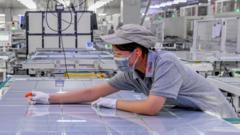
Trump's Strategic Tariff on Semiconductor Materials Explained
The Trump administration has announced a significant trade measure with the implementation of a 15% tariff on semiconductor materials, a decision designed to reinforce American technological competitiveness and safeguard domestic manufacturers against rising pressure from China's rapidly expanding chip sector. This tariff represents a pivotal moment in the ongoing trade tensions between the United States and China, particularly within the critical technology manufacturing domain.
Background and Economic Context
The semiconductor industry stands as a cornerstone of modern technological advancement and national security. As China continues to invest heavily in its chip manufacturing capabilities, American semiconductor companies face unprecedented competitive pressures that threaten their market dominance. The new tariff structure on key materials used in chip production aims to create a protective barrier for domestic firms, ensuring they maintain their edge in research, development, and manufacturing.
Why Semiconductor Materials Matter
Semiconductor materials form the foundation of all electronic devices, from smartphones to advanced computing systems. The supply chain for these materials has become increasingly complex, with global sources competing for market share. By imposing a 15% tariff on semiconductor materials, the administration seeks to encourage domestic production and reduce reliance on foreign suppliers, particularly those connected to China's industrial complex.
Impact on US Semiconductor Firms
American semiconductor manufacturers have expressed mixed reactions to the new tariff policy. While the protective measure aims to shield them from international competition, some industry observers note that increased material costs could initially burden production expenses. However, the long-term strategic advantage of reducing Chinese market penetration appears to outweigh these short-term concerns for many stakeholders in the sector.
Competitive Landscape Shifts
China's semiconductor industry has grown exponentially over the past decade, attracting significant government investment and becoming increasingly sophisticated in its technological capabilities. The 15% tariff on semiconductor materials functions as a countermeasure to this expansion, attempting to level the playing field for American companies that have historically dominated the global chip market.
Trade Policy and National Security
Beyond pure economic considerations, the tariff decision reflects broader concerns about national security and technological sovereignty. Semiconductors are essential components in military applications, artificial intelligence systems, and critical infrastructure. Protecting domestic production capabilities ensures that the United States maintains control over these vital technologies and reduces vulnerability to supply chain disruptions orchestrated by geopolitical rivals.
Strategic Industrial Policy
This tariff initiative represents part of a comprehensive strategy to revitalize American manufacturing and reduce technological dependence on adversarial nations. By making imported semiconductor materials more expensive, the policy creates financial incentives for companies to establish or expand operations within US borders, ultimately strengthening the domestic industrial base.
Market Reactions and Forward Implications
The announcement of the 15% tariff on semiconductor materials has rippled through global financial markets, affecting stock prices of major chip manufacturers and related industries. Investors and analysts continue to assess how this trade measure will reshape competitive dynamics and influence long-term profitability in the technology sector.
International trading partners have begun evaluating their responses to this protectionist measure, with some considering retaliatory tariffs on American goods. The tariff decision underscores the intensifying competition for technological supremacy between major global powers, particularly in the semiconductor domain where innovation and production capacity determine economic and military strength.
Conclusion
Trump's 15% tariff on semiconductor materials represents a significant intervention in global trade patterns, specifically targeting the competitive threat posed by China's chip industry expansion. As American semiconductor firms navigate this evolving landscape, the effectiveness of this tariff policy will ultimately depend on how successfully it promotes domestic innovation and manufacturing while maintaining competitive pricing and supply chain efficiency. The coming months will prove crucial in determining whether this protectionist approach achieves its intended goals of strengthening US technological dominance and reducing reliance on Chinese semiconductor materials and manufacturing capabilities.


