Trump's Vaccine Policy Shifts: Impact on US Child Immunization
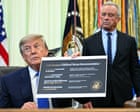
Trump's Vaccine Policy: A Major Shift in Childhood Immunization Strategy
A significant executive order recently issued by US President Donald Trump proposes comprehensive modifications to the nation's childhood immunization framework. Trump's vaccine policy represents a substantial departure from established medical protocols, introducing changes that could affect millions of American families and reshape immunization practices across the country.
Key Components of the New Directive
The executive order introduces several major alterations to how vaccines are administered to children. Among the most notable changes is the separation of the combined measles, mumps and rubella (MMR) vaccine into three individual injections. Additionally, the directive mandates that all childhood immunizations be administered during separate medical visits whenever logistically feasible, fundamentally changing how pediatric vaccination schedules are structured.
Under this new framework, the total number of recommended vaccines would be reduced compared to current CDC guidelines. This represents a substantial departure from decades of medical consensus regarding optimal immunization protocols.
Scientific Evidence and Medical Consensus
The medical community has long emphasized the importance of combination vaccines and consolidated vaccination schedules. Combination vaccines, including the MMR shot, were developed to reduce the number of injections children receive while maintaining comprehensive protection against serious diseases. By combining multiple vaccines into single injections, healthcare providers can minimize needle sticks and reduce patient anxiety.
Research consistently demonstrates that the ingredients in combination vaccines are safe and effective when administered together. The spacing of vaccines in the current schedule allows children's immune systems to develop protection at optimal times during development. Medical organizations including the American Academy of Pediatrics and the CDC have established these schedules based on decades of clinical research and epidemiological data.
Potential Consequences for Vaccination Coverage
Public health experts express concern that requiring separate medical visits for each vaccine could significantly impact vaccination rates. Parents juggling work schedules and childcare responsibilities may find it challenging to schedule multiple appointments for what is currently accomplished in fewer visits. This logistical burden could result in missed vaccinations and delayed immunization timelines.
Historical data from vaccination campaigns demonstrates a clear correlation between appointment accessibility and immunization rates. When vaccines require fewer visits and streamlined scheduling, compliance improves substantially. Conversely, increased appointment requirements have been associated with decreased vaccination coverage in various populations.
Disease Prevention and Public Health Implications
Measles, mumps, and rubella represent serious threats to public health. Before the introduction of the MMR vaccine, measles caused approximately 3-4 million infections annually in the United States, resulting in hundreds of deaths each year. Mumps and rubella also caused significant childhood morbidity and permanent disabilities including deafness and developmental disorders.
Should vaccination rates decline due to increased scheduling barriers, these preventable diseases could resurge. Even modest reductions in immunization coverage can trigger outbreaks in vulnerable populations. Healthcare systems would face increased demand for treating complications from these preventable infections, straining pediatric resources and increasing healthcare costs significantly.
International Implications and Global Health Concerns
The United States plays a crucial role in global vaccination efforts and serves as a model for immunization programs worldwide. Changes to American vaccination policy receive international attention and can influence immunization practices in other countries. Countries look to US health agencies for guidance on vaccine safety and efficacy standards.
Reduced vaccination rates in America could undermine global disease eradication efforts, particularly for measles and rubella, which have been nearly eliminated in the Western Hemisphere through sustained high vaccination coverage. Such changes might embolden vaccine hesitancy movements in other nations and complicate international public health coordination.
Implementation Challenges and Healthcare System Impact
The healthcare infrastructure would face substantial challenges implementing these policy changes. Pediatric practices would need to restructure scheduling systems, train staff on new protocols, and manage increased administrative burden. Insurance companies would need to adjust coverage policies for multiple-visit vaccination schedules.
Supply chains for individual vaccines would require expansion while combination vaccine production might decrease. This transition period could create temporary vaccine shortages or supply imbalances across different regions.
Moving Forward: Monitoring and Assessment
As these policy changes are implemented, public health agencies must actively monitor vaccination coverage rates, disease incidence, and adverse health outcomes. Data collection will be essential for understanding the real-world impacts of modified immunization protocols on American children's health and community-level disease prevention.
Medical professionals, public health officials, and parents will need clear, evidence-based communication to navigate these changes effectively and ensure children receive appropriate protection against preventable diseases.