UK Bans Disposable BBQs to Combat Wildfire Crisis
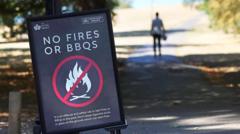
UK Government Implements Temporary Disposable BBQ Ban
The UK government has introduced a temporary disposable BBQ ban to address escalating wildfire risks across the country. Officials have determined that single-use grills present a "significant risk to the public" during the current period of severe drought and unprecedented heatwave conditions affecting multiple regions.
This decisive action represents a critical public safety intervention aimed at reducing preventable fires that could devastate communities and natural landscapes. The disposable BBQ ban targets recreational consumers who may unknowingly contribute to dangerous fire conditions when using portable grills in outdoor spaces.
Understanding the Wildfire Risk
The correlation between disposable grills and wildfire incidents has become increasingly evident as environmental conditions deteriorate. During extended drought periods, vegetation becomes exceptionally dry and flammable, creating ideal conditions for fires to spread rapidly. Single-use grills, often inadequately designed with minimal safety features, frequently malfunction or fail to contain heat effectively.
Authorities have identified that improper disposal of hot coals and inadequate barbecue supervision contribute significantly to accidental fire incidents. When combined with extreme heat and low humidity levels, even small sparks can ignite uncontrollable wildfires that threaten properties, forests, and human lives.
Impact of Drought and Heatwave Conditions
The current meteorological crisis has pushed fire danger indices to critical levels across numerous regions. Drought conditions have reduced soil moisture content to historically low levels, while consecutive heatwave days have elevated ambient temperatures beyond normal seasonal patterns. These compounding factors create an exceptionally hazardous environment for any ignition source, including recreational barbecues.
Environmental agencies warn that single-use grills lack the structural integrity and heat management systems found in permanent installations. Their portability, while convenient for consumers, eliminates fixed safety infrastructure that prevents accidental fire propagation. During high-risk periods, this distinction becomes critically important for public protection.
Government Safety Measures and Public Protection
The temporary disposable BBQ ban reflects governmental commitment to preventative fire management strategies. By removing these high-risk products from retail circulation during vulnerable seasons, authorities aim to eliminate a significant vector for accidental wildfires before they can start.
This regulatory approach complements other wildfire prevention initiatives, including public awareness campaigns and restrictions on open burning in high-risk zones. Emergency services have consistently highlighted that preventing fire ignition sources proves far more effective than managing active wildfires after they ignite.
Consumer Alternatives and Recommendations
During the ban period, consumers seeking outdoor cooking options should consider safer alternatives. Permanent barbecue installations using propane or natural gas provide superior safety controls and heat containment. These fixed installations include proper ventilation, flame management systems, and structural designs that prevent accidental fire spread.
Additionally, consumers can defer outdoor grilling activities until environmental conditions improve, or utilize indoor cooking methods until the disposable BBQ ban concludes. Public parks and recreation facilities may also provide supervised cooking areas equipped with professional-grade safety features.
Duration and Future Considerations
The government has designated this as a temporary restriction, with plans to reassess the ban as drought conditions subside and heatwave patterns normalize. Environmental monitoring agencies will track precipitation levels, soil moisture indices, and seasonal temperature trends to determine appropriate lifting timelines.
Officials emphasize that this measure remains temporary and subject to change based on meteorological developments. Should conditions improve significantly, the restriction may be lifted sooner than initially anticipated. Conversely, if environmental conditions worsen, extended restrictions could become necessary.
Community Cooperation and Fire Prevention
Successful implementation of the disposable BBQ ban requires active cooperation from retailers, consumers, and community members. Retail chains must comply with removal directives, while consumers should understand the critical safety rationale behind this inconvenient but necessary restriction.
Fire prevention remains a shared responsibility requiring collective commitment. By collectively accepting temporary restrictions on non-essential recreational activities, communities can substantially reduce wildfire incident rates and protect vulnerable regions from catastrophic fire events during high-risk seasons.


