Ukraine's Capital Hit Hard: 17 Dead in Deliberate Russian Infrastructure Strike
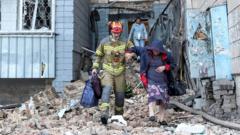
Deliberate Attack on Critical Infrastructure
Russian forces conducted what officials describe as a deliberate assault on Ukrainian infrastructure, with particular focus on Kyiv's vital systems. The overnight Russian attacks on Ukrainian infrastructure left the capital city reeling as emergency services worked to assess the extent of the damage and provide aid to affected residents.
Kyiv Mayor Vitali Klitschko confirmed that the strikes were purposefully directed at essential services supporting the civilian population. According to initial reports, the Russian attacks on Ukrainian infrastructure claimed at least 17 lives, with dozens more reported injured in the coordinated assault.
Impact on Essential Services
Among the most significant consequences of the strike is the widespread disruption to the city's hot water supply system. Klitschko warned residents that the infrastructure damage would affect their access to basic utilities, particularly during the ongoing conflict when civilian morale and comfort are critical.
The targeting of critical infrastructure represents a continuation of Russia's strategy to weaken Ukraine's civilian support systems. By focusing on utilities and essential services, the attacks aim to create widespread hardship among the urban population in the capital.
Scale of the Assault
Described as a "massive attack," the overnight operation involved multiple strikes across different areas of Kyiv. Emergency responders deployed to numerous locations throughout the city to assist injured civilians and extinguish fires caused by the explosions.
The coordinated nature of the attacks suggests careful planning and timing by Russian military command. Intelligence analysts indicate that such systematic targeting of infrastructure follows established patterns observed throughout the ongoing conflict between Russia and Ukraine.
Civilian Toll and Response
The death toll of 17 represents a significant loss of civilian life in a single night. Each casualty reflects the ongoing dangers faced by Kyiv residents despite living in Ukraine's most heavily defended urban center. Family members and rescue workers continue searching through rubble for survivors and recovering deceased persons.
Vitali Klitschko's warning about infrastructure disruption extended to the broader implications for city services. Hospitals, schools, and residential buildings dependent on the hot water system faced operational challenges in the aftermath of the strikes.
Strategic Context
The Russian attacks on Ukrainian infrastructure continue a pattern established earlier in the conflict. Military analysts note that this systematic approach aims to gradually diminish Ukraine's ability to sustain civilian life in major cities, potentially forcing population displacement or surrendering of territory.
Kyiv remains the largest and most symbolically significant target in Ukraine. The capital's continued resilience and functionality represent a powerful statement of Ukrainian resistance and determination to maintain sovereignty over its largest population center.
International Response and Ongoing Concerns
The attack drew immediate condemnation from Western governments and international organizations monitoring the conflict. Humanitarian organizations warned that further targeting of critical infrastructure could create a genuine crisis for millions of urban residents dependent on these systems for survival.
City officials announced plans to repair damaged infrastructure as quickly as possible. However, the continued threat of further Russian attacks on Ukrainian infrastructure means that reconstruction efforts face constant risk of disruption and setback.
As investigations into the attack continue, authorities work simultaneously to restore services and account for all casualties. The resilience demonstrated by Kyiv's population and municipal services in responding to such attacks underscores the determination of Ukraine to continue functioning despite the ongoing military pressure from Russian forces.


