Ukraine's Major Strike Kills Seven in Largest 2026 Attack
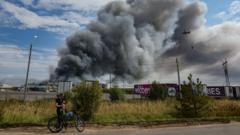
Significant Escalation in Russia-Ukraine Conflict
The largest Ukrainian attack of 2026 has resulted in at least seven confirmed casualties according to Russian authorities, marking a considerable escalation in military operations between the two nations. This devastating strike represents a critical moment in the ongoing conflict, underscoring the intensity and scale of cross-border hostilities that continue to define the relationship between Kyiv and Moscow.
Details of the Ukrainian Offensive
Reports indicate that the largest Ukrainian attack of 2026 targeted military installations and infrastructure within Russian territory. Ukrainian forces executed coordinated operations that resulted in significant destruction and loss of life. The assault demonstrates the operational capabilities of Ukrainian military units and their willingness to strike deep within Russian-controlled areas. Defense analysts suggest that this operation reflects a strategic shift in Ukrainian military tactics, focusing on high-impact targets that serve broader strategic objectives.
Russian Retaliation and Kyiv Strikes
In response to the Ukrainian offensive, Moscow launched a comprehensive retaliatory campaign targeting Kyiv and surrounding regions during overnight hours. The Russian strikes sparked multiple fires across the Ukrainian capital, affecting civilian infrastructure and residential areas. Emergency services in Kyiv mobilized rapidly to contain fires that erupted following the bombardment, with reports indicating extensive damage to buildings and essential services throughout the city.
Impact on Civilian Infrastructure
The fires across Kyiv represent a serious concern for civilian safety and urban stability. Russian military operations have consistently targeted energy infrastructure, water supply systems, and transportation networks within the capital. These strikes contribute to ongoing humanitarian challenges facing the civilian population, including power outages, heating failures during cold periods, and disruptions to essential services. International observers have documented the pattern of infrastructure targeting as a significant aspect of Russian military strategy.
Military Context and Strategic Implications
This exchange of attacks occurs within a broader context of sustained military conflict between Russia and Ukraine. The largest Ukrainian attack of 2026 signals continued resistance and operational effectiveness by Ukrainian armed forces despite numerous challenges. Conversely, Russian retaliation demonstrates Moscow's commitment to maintaining military pressure on Ukrainian positions and infrastructure. Military analysts indicate that both sides possess the capability and determination to sustain operations at current or elevated levels.
International Response and Humanitarian Concerns
The escalating violence has prompted international attention and humanitarian concerns. Global organizations continue monitoring the situation closely, documenting casualties and civilian impacts. The pattern of attacks and counterattacks raises questions about conflict resolution and the humanitarian cost of ongoing hostilities. Diplomatic channels remain active, though military operations continue unabated throughout various regions.
Aftermath and Recovery Efforts
In the aftermath of the overnight strikes on Kyiv, recovery and rescue operations commenced immediately. Ukrainian authorities worked to extinguish fires, provide medical assistance to the wounded, and assess infrastructure damage. The resilience of Kyiv's population and emergency services has been repeatedly demonstrated throughout the conflict, with rapid response mechanisms activated following each major attack.


