US Report Reveals Countries Assisting China in Tariff Evasion
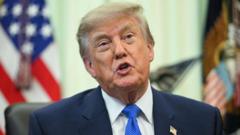
US Report Exposes International Tariff Evasion Network
A comprehensive US government report has uncovered an extensive scheme involving dozens of countries assisting China in circumventing tariff evasion measures implemented by American trade policy. The investigation reveals sophisticated methods through which Chinese goods have been strategically rerouted to avoid higher import duties imposed by the Trump administration.
The tariff evasion tactics documented in the report demonstrate how strategic trade routing through nations with preferential tariff arrangements has enabled Chinese manufacturers to maintain competitive pricing in American markets while effectively bypassing Washington's intended trade restrictions.
How the Tariff Evasion Scheme Operates
According to the findings, the primary mechanism behind this tariff evasion involves transshipment—a practice where merchandise originating from China is moved through intermediate countries with lower or more favorable tariff rates before reaching the United States. This approach allows Chinese exporters to obscure the true origin of goods and take advantage of more lenient trade agreements that certain nations maintain with America.
Strategic Routing Through Third Countries
The report identifies multiple nations as facilitators in this tariff evasion operation. By processing Chinese-manufactured goods within their borders—often through minimal value-added activities—these intermediary countries enable the merchandise to qualify for reduced tariff classifications. This transshipment method effectively transforms the documented origin of products, allowing them to enter the US market under more favorable trade terms.
Value-Added Processing Loopholes
One particularly concerning aspect involves the minimal processing that occurs in these intermediate locations. Rather than substantial manufacturing or assembly, goods may undergo minor modifications, repackaging, or simple relabeling. These superficial alterations are frequently sufficient to satisfy customs classification requirements, thereby legitimizing the tariff evasion while technically complying with existing regulations.
Scope and Scale of the Investigation
The breadth of this tariff evasion scheme is substantial, with documentation indicating involvement spanning numerous countries across different continents. Each participating nation plays a distinct role within the network, contributing to an integrated system designed to systematically circumvent American trade barriers. The coordinated nature of these efforts suggests both awareness and deliberate participation in tariff evasion activities.
Implications for US Trade Policy
This exposure of widespread tariff evasion presents significant challenges to the effectiveness of Trump administration trade policies aimed at protecting domestic American industries. The revelation that dozens of countries have facilitated such evasion undermines the intended impact of tariff measures meant to address trade imbalances and support American manufacturing sectors.
Enforcement and Future Measures
The report's findings have prompted renewed scrutiny of US customs procedures and international trade monitoring systems. American officials now face the challenge of strengthening enforcement mechanisms to prevent future tariff evasion while maintaining diplomatic relationships with the countries identified in the investigation. Enhanced verification procedures and stricter origin-of-goods documentation may become necessary responses.
International Trade Relations Under Pressure
The discovery of this extensive network engaging in tariff evasion has highlighted tensions within the international trade system. Nations identified as facilitators of this scheme may face increased diplomatic pressure or potential secondary sanctions, further complicating already strained US trade relationships with multiple countries.
Moving forward, the tariff evasion investigation suggests the need for coordinated international efforts to address transshipment and ensure that trade agreements function as intended. The US government's exposure of these practices signals a commitment to enforcing existing trade policies and closing loopholes that have enabled Chinese goods to circumvent tariff protections.


