US Treasury Chief Warns Iran of Harshest Economic Offensive in History
Unprecedented Economic Offensive Against Iran Announced
The United States is preparing what officials describe as the most severe economic offensive against Iran in modern history, according to recent statements from the nation's Treasury Department leadership. This aggressive stance marks a significant escalation in Washington's approach to Tehran's economic activities and regional influence.
Treasury Secretary's Stark Warning
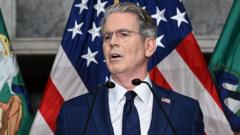
Scott Bessent, serving as the US Treasury Secretary, has made clear that the administration intends to completely sever all economic ties with Iran. His pronouncement represents a hardline position that goes beyond previous sanctions regimes, targeting the fundamental economic relationships that Iran maintains on the global stage.
Bessent's declaration comes as part of a broader strategy to restrict Iran's access to international financial systems and trade networks. The Treasury official emphasized that this economic offensive against Iran will not only directly impact Iranian entities but will extend consequences to any third parties that attempt to maintain financial partnerships with the country.
Consequences for International Partners
A critical component of this strategy involves threatening financial isolation for nations and entities that continue to engage in economic cooperation with Iran. The United States has signaled that countries choosing to maintain financial relationships with Tehran will face their own economic consequences, potentially including sanctions exposure and restricted access to American financial markets.
This approach represents a significant shift toward what analysts term "secondary sanctions," where the US government targets international actors for their dealings with sanctioned entities. Such measures have proven contentious in international forums, as they effectively extend American jurisdiction beyond national borders and challenge the sovereignty of other nations in determining their own foreign policy.
Historical Context and Escalation
The characterization of this economic offensive against Iran as "the greatest" ever reflects a determination to intensify pressure beyond existing sanctions frameworks. Previous administrations have implemented various sanctions regimes targeting Iranian oil exports, banking sectors, and military-related industries. This new offensive suggests a comprehensive approach designed to leave no economic avenue open for Iranian financial activity.
The timing of these statements aligns with broader geopolitical tensions in the Middle East region. Iran's continued development of its nuclear program, its support for regional proxy forces, and its hostile stance toward Israel have all contributed to escalating US concerns and the decision to pursue more aggressive economic measures.
Global Economic Implications
The implementation of such comprehensive economic offensive against Iran measures carries implications for global trade and international relations. European nations, China, and Russia have previously maintained trade relationships with Iran, creating potential friction points with US policy. The threat of secondary sanctions places international partners in difficult positions, forcing them to choose between US relations and Iranian economic engagement.
Treasury officials have indicated that enforcement mechanisms will be strengthened to ensure compliance with the new sanctions regime. This includes increased surveillance of financial transactions, enhanced reporting requirements for international banks, and potential penalties for institutions that fail to adequately screen their dealings for Iranian connections.
Strategic Objectives Behind the Offensive
The stated goals of this comprehensive economic strategy extend beyond simple economic punishment. US officials argue that the measure aims to constrain Iran's ability to fund military activities, support terrorist organizations designated by the United States, and pursue destabilizing regional initiatives. By choking off financial resources, policymakers believe they can limit Tehran's capacity to project power throughout the Middle East and beyond.
The decision to pursue such aggressive economic measures reflects confidence within the Treasury Department that financial pressure can serve as an effective foreign policy tool. However, historical precedent suggests that comprehensive sanctions regimes often take extended periods to produce desired behavioral changes in targeted nations.
Looking Forward
As the United States moves forward with implementing this unprecedented economic offensive against Iran, international observers will monitor how rigorously the measures are enforced and whether other major trading nations opt to comply or resist the secondary sanctions framework. The success of this strategy will likely depend on sustained international cooperation and the government's ability to maintain political consensus around maintaining pressure on Iranian economic activities.


