Virginia Marks First Measles Death of 2026 in Young Child
Virginia Confronts Devastating Measles Fatality in 2026
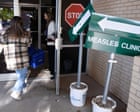
A tragic measles death has been reported in Virginia during 2026, marking the state's first fatal case linked to the highly contagious disease this year. Virginia's Department of Health confirmed the incident on Friday, underscoring the growing severity of the nationwide measles outbreak that has already stripped the United States of its measles elimination status—a designation the country had maintained for more than two and a half decades.
The deceased child was identified as being four years old or younger, though state health officials declined to release further specifics regarding the minor's identity or medical history. The department emphasized that vaccination status information and other clinical details would remain confidential to respect the family's privacy during this difficult time.
National Measles Crisis Escalates
This measles death in Virginia represents a critical escalation in a larger public health emergency affecting the entire nation. The resurgence of measles across multiple states has prompted considerable concern among epidemiologists and health authorities, who warn that the disease remains a serious threat despite decades of successful vaccination campaigns.
The loss of measles elimination status after 26 years signals a concerning shift in disease trajectory. This designation, achieved through sustained vaccination efforts and public health coordination, indicated that measles was no longer endemic within the United States. The recent reversion reflects diminishing immunity levels in certain populations and increased international transmission.
Understanding the Measles Threat
Measles is a viral infection characterized by high transmissibility among unvaccinated or under-vaccinated individuals. The disease causes fever, cough, runny nose, and distinctive rash patterns. In young children and immunocompromised individuals, complications can be severe and potentially fatal, including pneumonia, encephalitis, and other serious secondary infections.
The measles outbreak affecting America has been traced to multiple sources, including imported cases from regions where the disease remains prevalent. Pockets of low vaccination coverage in certain communities have facilitated rapid spread once the virus gains entry into those areas.
Implications for Public Health Response
The Virginia measles death underscores the urgent necessity for renewed vaccination efforts and community engagement. Health officials are intensifying disease surveillance, contact tracing, and immunization outreach programs to contain further transmission and prevent additional fatalities.
Vaccination remains the most effective defense against measles infection. The MMR vaccine, which provides protection against measles, mumps, and rubella, has demonstrated safety and efficacy across millions of administered doses. Public health campaigns are emphasizing the critical importance of maintaining high immunization rates throughout all age groups.
State and Federal Response Measures
Virginia health authorities are coordinating closely with federal Centers for Disease Control and Prevention to manage the measles outbreak response. Enhanced monitoring protocols have been implemented in healthcare facilities, schools, and community centers where vulnerable populations gather.
Officials are particularly focused on identifying and protecting individuals at highest risk, including infants too young for vaccination, pregnant women, and immunocompromised persons. Contact tracing efforts aim to identify anyone who may have been exposed to the virus through the confirmed cases.
Looking Ahead
The measles situation in Virginia and across the nation serves as a sobering reminder of disease risks when population immunity drops below critical thresholds. Health experts continue advocating for universal vaccination compliance and improved public awareness regarding measles prevention strategies. The tragic outcome in Virginia reinforces the life-saving importance of maintaining robust immunization coverage throughout American communities.